

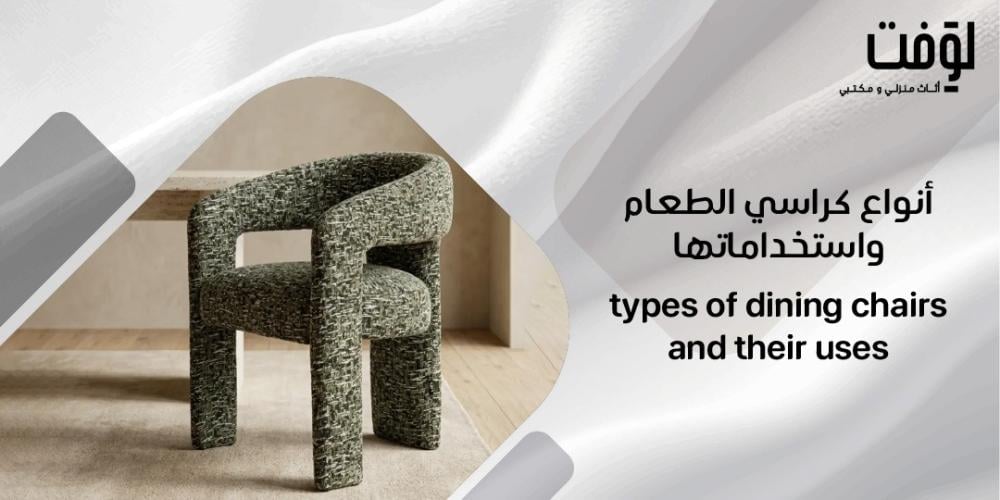
Choosing a dining chair goes far beyond picking a piece of furniture that simply completes a dining table — it determines seating comfort, establishes the overall visual tone, and directly affects the room's arrangement and spatial traffic. Understanding the types of dining chairs and their specific uses helps you make an informed decision rather than relying on appearance alone.
The types and uses of dining chairs vary based on several interconnected factors: design, materials, armrest configuration, backrest height, and the intended seating experience — whether for everyday meals or formal entertaining. To select the right chair, it is essential to match it with your table's dimensions, room size, and the average number of users.
If you are looking for dining chairs that combine quality with modern design, Loft Store offers a diverse collection of dining room chairs tailored for contemporary interiors and family gatherings alike. Browse the collection now to find the perfect match for your home.
Types of Dining Chairs and Their Uses
Before diving into specific models, having a clear picture of the available dining chair styles in the market helps narrow down your options for a precise choice. Recognizing how chair types function goes beyond aesthetics to include room proportions, table design, and daily routine.
1. Side Chairs
The side chair is the most common type of dining chair, positioned around the four sides of a table without armrests. Its compact design makes it a practical solution for many homes, especially when aiming to maximize seating in limited spaces.
- Ideal for: Medium to small tables in standard dining rooms.
- Benefits: Allows easy addition of extra seats without visual clutter.
- Usability: Highly suitable for everyday use due to lightweight mobility.
- Versatility: Available in diverse materials and styles to match various interior aesthetics.
2. Armchairs
Often referred to as head chairs or host chairs, armchairs are typically placed at the two ends of a dining table to give the dining setup a distinguished presence. In spacious dining areas, multiple armchairs can be paired with side chairs to create an elegant visual balance.
- Comfort: Provides superior support during long gatherings thanks to arm supports.
- Aesthetics: Adds a touch of luxury, particularly in formal dining settings.
- Planning: Requires checking chair width in advance to ensure armrests clear the table apron and neighboring chairs.
- Space Consideration: Not recommended for narrow sides of tables as they occupy more horizontal space than side chairs.
3. High-Back Chairs
High-back chairs bring a commanding visual character to the dining table, often associated with classical and luxurious designs that leverage vertical height. The backrest extends up to shoulder or head level, making the chair a standout decorative element on its own.
- Best Suited For: Rooms with high ceilings that accommodate substantial furniture.
- Design Match: Pairs seamlessly with classic and grand interior styles.
- Ambiance: Lends a formal, elevated feel to dining occasions.
- Varieties: Available in carved wooden or straight-lined silhouettes depending on the chosen furniture style.
4. Low-Back Chairs
In contrast to high-back designs, low-back or mid-back chairs offer a lighter visual weight and blend effortlessly into modern interiors and open-plan spaces. This quality makes them ideal for layouts requiring unbroken visual continuity between the kitchen, living area, and dining space.
- Open Feel: Maintains clear sightlines, making rooms appear larger.
- Modern Integration: Fits modern dining tables and open-kitchen concepts smoothly.
- Visual Lightness: Offers fluidity without the bulk of traditional furniture.
- Popularity: Among the most sought-after chair designs for contemporary homes and smaller apartments.
5. Upholstered Chairs
Upholstered dining chairs add a layer of warmth and plush comfort to the table, whether padded on the seat only or across both seat and backrest. Upholstery fabrics range from woven textiles and velvet to natural and synthetic leather, each imparting a distinct tactile and aesthetic feel.
- Comfort First: Delivers enhanced seating comfort during extended family meals or social gatherings.
- Rich Textures: Velvet and woven fabrics add richness and depth to room color schemes.
- Easy Maintenance: Faux and natural leather options are simple to wipe down, making them suitable for high-traffic homes.
- Material Fusion: Can be combined with wooden or metal frames for a blend of function and beauty.
Note on Interior Layout Alternatives: Bench seating, folding chairs, and bar stools serve specific layout requirements but are generally specialized alternatives rather than direct replacements for standard dining chairs.
Matching Chairs to Specific Uses
Intended use transforms your purchase from a purely aesthetic choice into a practical investment. A formal dining room demands a different approach than an everyday dining setup near the kitchen.
- Formal Dining: Benefits from chairs with prominent visual presence — such as high-back, fully upholstered, or armchairs. Ensure ample clearance around each chair for unhindered movement.
- Everyday Meals: Requires lightweight chairs that are easy to move and clean, especially in homes with children.
- Open & Compact Spaces: Side chairs and low-back models minimize visual clutter and maintain room flow. Prioritize walkway space around the table over cramming extra seats.
- Long Gatherings: Focuses on ergonomic back support and soft upholstery. Always verify physical measurements and materials rather than relying solely on marketing descriptions.
Essential Dimensions and Proportions
Measuring your dining table and room accurately prevents overcrowded seating or awkward fits.
- Seat Height: Standard dining chair seat heights range from 43 cm to 51 cm from the floor. Always measure your table height first, as custom or non-standard tables may require specific chair proportions.
- Legroom Clearance: The vertical space between the seat top and the underside of the table should measure roughly 23 cm to 30 cm for comfortable leg movement. Account for table aprons or support beams that may reduce clearance.
- Personal Space per Diner: A standard seat width ranges between 40 cm and 50 cm, with a depth of 40 cm to 55 cm. Allocate 60 cm to 70 cm of horizontal table space per person to avoid elbowing adjacent diners.
- Traffic Pathways: Leave approximately 80 cm of clear space behind each chair to allow people to pull out chairs and walk past comfortably without hitting walls or adjacent furniture.
Material Selection Guide
The choice of material directly impacts maintenance routines, durability, and the room's overarching theme.
- Solid Wood: Brings warmth and timeless appeal to classic, rustic, or Scandinavian interiors. Look for smooth finishes, stable leg joints, and protect surfaces against excessive moisture.
- Metal Frames: Ideal for industrial or minimalist spaces. Check weld quality, frame thickness, and ensure legs have protective floor glides to prevent scratching.
- Fabric & Velvet: Adds softness, texture, and luxury. Requires proactive care: wipe spills immediately, test cleaners on hidden areas, and vacuum regularly with a fabric attachment.
- Faux Leather: Offers a clean, modern aesthetic with easy-wipe surfaces. Pay attention to stitching quality and padding density for long-term resistance to wear.
- General Maintenance: Always follow product care instructions, avoid harsh chemicals, perform light routine cleaning, and periodically check structural fasteners for tightness.
Featured Seating Highlights from Loft
For those seeking a blend of craftsmanship and modern comfort, Loft Store provides curated options designed for contemporary living:
- Double Dining Chair with Armrests: Features a warm burgundy tone wrapped in soft velvet upholstery. Measuring 80 cm (H) x 57 cm (W) x 56/47 cm (D), its supportive armrests and rich texture make it a standout choice for cozy family dinners and formal setups alike.
- BECCA Dining Chair: A minimalist design finished in a warm camel fabric. Measuring 85.5 cm (H) x 46 cm (W) x 55 cm (D), its clean lines and neutral tone complement modern dining tables effortlessly.
Frequently Asked Questions
- What are the primary types of dining chairs? The main types include side chairs, armchairs, high-back chairs, low-back chairs, and upholstered chairs. Selection depends on table size, room capacity, and household needs.
- How do I choose the best dining chair? The best chair is one that correctly aligns with your table height, fits the available floor space, and meets your comfort and cleaning preferences.
- How do I match a dining table with the right chairs? Consider room shape and family size. Rectangular tables suit larger groups, while round tables optimize traffic in smaller rooms. Always ensure proper seat-to-table height ratios.
- What is the best dining chair option for children? Choose stable, easy-to-clean chairs that fit the child's height properly. Standard dining chairs should not replace dedicated high chairs when safety harness support is needed.
Understanding the types and uses of dining chairs ensures a harmonious balance between comfort, proportion, and style. By carefully measuring your space and selecting materials suited to your lifestyle, you can create a dining environment that turns every meal into a comfortable and welcoming experience. Explore the collection at Loft Store to find the ideal match for your home.