

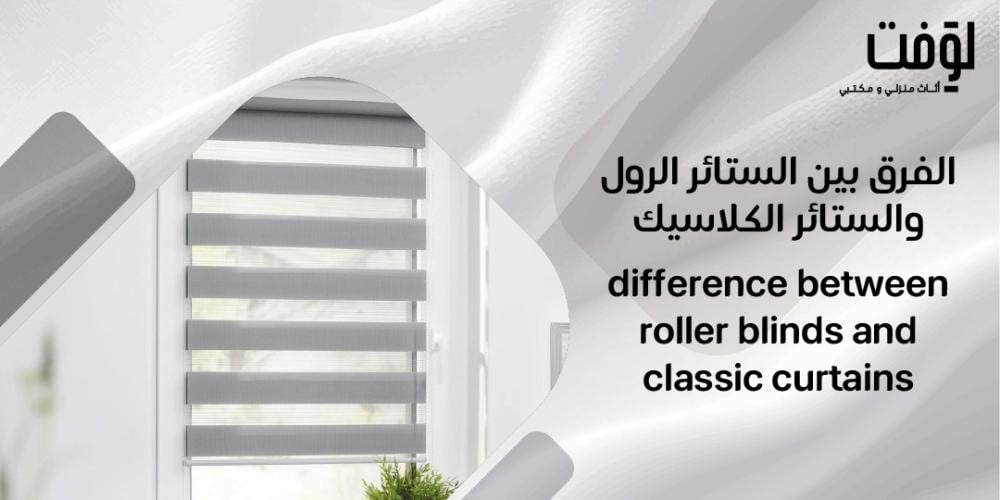
When searching for the right window treatments for their homes, many people find themselves torn between two popular options without knowing which best suits their space. The difference between roller blinds and classic curtains goes far beyond mere aesthetics; it extends to their mechanism of movement, fabric types, and the visual impact each creates within a room. Roller blinds rely on a single piece of fabric that rolls around an upper tube using a simple mechanism, giving the space a modern, uncluttered feel. On the other hand, classic curtains utilize multiple layers of cascading fabric to bestow a sense of luxury and visual depth that is hard to ignore.
Understanding the difference between roller blinds and classic curtains helps you make a confident purchasing decision, whether you are looking for a practical solution for a compact space or an elegant touch for a spacious salon. If you are ready to explore available options in various sizes and materials, the Loft Store offers a comprehensive collection of both roller blinds and classic curtains to suit all tastes and spaces—visit the store now and choose what best complements your home.
Roller Blinds vs. Classic Curtains: A Foundational Overview
Before diving deeper into the difference between roller blinds and classic curtains, it is essential to understand the nature of each type individually. The way a window treatment operates and how it is installed determines its suitability for a specific space, whether it is a bedroom, a reception hall, or an office. This fundamental understanding makes your choice much clearer and more accurate.
1. Defining Roller Blinds
Roller blinds consist of a single piece of fabric—or a composite layer—that rolls around a metal tube mounted directly above the window. They move vertically in a straight line, operating either via a side chain or an electric motor in more advanced models. One of the most prominent features of these fabric blinds is that they do not consume any lateral space, making them a highly practical choice for small windows and limited areas. Their clean, neat design makes them one of the most widely used modern window treatments in contemporary interior design.
2. Defining Classic Curtains
Classic curtains are cascading fabrics fixed onto an upper rod or track, moving horizontally from side to side. They typically consist of two layers: a lightweight fabric like voile, which allows partial light filtration, and a heavier layer that provides complete privacy. This dual-layer configuration gives the room a traditional, luxurious appearance, adding warmth and visual depth. Classic curtains remain the most sought-after option for guest salons and bedrooms aiming for a sophisticated, elegant character.
Aesthetics and Visual Impact
When highlighting the difference between roller blinds and classic curtains, the visual contrast is striking from the very first glance. Each type carries an entirely different vibe, giving the room a distinct decorative identity. If you are looking for a window treatment that harmonizes with a specific styling approach, understanding this aesthetic variance is the perfect starting point.
1. General Appearance of Each Type
Roller blinds feature a flat, clean appearance devoid of any visual complexities, making them a natural fit for spaces with modern or minimalist designs. Contrary to what some might believe, these blinds are not limited to office environments; they can be used in homes to deliver a sophisticated, tranquil look when chosen in the right fabrics and colors. Conversely, classic curtains rely on pleats and layers to add visual depth and a sense of luxury, looking their best in salons and large rooms that can accommodate this aesthetic weight.
2. How Each Style Influences the Room
The difference between roller blinds and classic curtains does not stop at the shape of the window treatment itself; it extends to its total impact on the room's space and overall ambiance. A window treatment is not just a piece of textile on a window; it is an element that alters the perception of size, warmth, and elegance.
- Roller blinds make a room appear more spacious and organized, especially in small spaces that cannot tolerate excess fabric.
- Classic curtains give a room visual warmth and a sense of fullness, but in smaller rooms, they can weigh down the space and make it look narrower.
- Large rooms and spacious salons benefit greatly from classic curtains, as they fill the space with luxury without making it feel claustrophobic.
- Small or modern-styled rooms find roller blinds to be the most suitable option to maintain visual balance.
At Loft, you will find diverse collections of both types to suit different tastes and spaces, featuring options that allow you to shape your room in a way that reflects your personality.
Materials and Manufacturing Standards
Before making a purchase, the technical aspects of fabric composition, manufacturing style, and structure warrant careful consideration, as they directly affect product quality, texture, and visual identity within the space. The difference between roller blinds and classic curtains is not just about the look, but also encompasses the entire technical architecture of each type.
1. Roller Blind Materials
Roller blinds rely on high-precision synthetic materials that provide dimensional stability and consistent functional performance. The most prominent components used in their manufacture include:
- High-density polyester: Forms the base fabric, providing durability and resistance to sagging.
- PVC or fiberglass layers: Added to certain types to enhance rigidity and improve blocking efficiency.
- Integrated blackout layers: Woven into the fabric to block out light almost completely.
- Aluminum roller tube: Ensures the fabric rolls up uniformly without warping over time.
- Mounting brackets and control systems: Whether chain-driven or motorized, these complete the structural system of the blind.
2. Classic Curtain Materials
Classic curtains belong to the world of natural and woven textiles, where options vary according to taste and desired function. The most prominent fabrics used in this category include:
- Cotton and linen: They impart a warm, natural feel, perfectly suiting classic or rustic decors.
- Polyester: Serves as a practical, cost-effective option that can be blended with other materials to enhance its properties.
- Velvet: Delivers visual weight and conspicuous luxury, making it one of the most expressive fabrics for elegance.
- Chiffon and voile: Lightweight fabrics used for sheer or semi-sheer curtains in areas requiring filtered natural light.
- Inner lining: Added to improve light-blocking efficiency and extend the lifespan of the face fabric.
- Tailored pleats and folds: These shape the structural identity of the curtain and directly reflect its visual texture.
3. The Impact of Materials on Longevity and Usage
From a practical standpoint, roller blinds excel in maintaining their dimensions over the long term; they do not shrink easily compared to the natural fabrics used in high-quality classic curtains. Natural fibers like cotton and linen are prone to shrinkage when exposed to humidity or washing. This technical difference between roller blinds and classic curtains makes roller blinds more stable in fluctuating climates, whereas classic curtains remain the richer stylistic choice for those who prioritize appearance and visual depth over structural stiffness.
Light Control and Privacy
One of the most critical criteria people consider when choosing window treatments is their ability to control light and provide the desired level of privacy. Whether you are looking for complete blackout conditions for bedrooms or just a softening of daylight in the living room, the difference between roller blinds and classic curtains becomes clearly apparent in this specific regard. The Loft store offers a wide selection of both options across multiple performance levels to suit every need.
1. Dimming Levels in Roller Blinds
Roller blinds feature true diversity in their degree of light shading, making them versatile enough for multiple uses within a single home. They typically come in three main variants:
- Blackout roller blinds: Provide near-complete light blockage, making them the ultimate choice for bedroom privacy and deep darkness.
- Sunscreen blinds: Filter sunlight and reduce glare without completely blocking the outside view, preserving a soft, natural indoor illumination.
- Translucent/Sheer types: Allow light to pass through generously while providing a baseline level of privacy, ideal for spaces that require brightness.
2. Light Control in Classic Curtains
Classic curtains rely on two main factors to control light filtration: the thickness of the fabric used and the number of layers making up the treatment. These curtains usually combine a lightweight voile layer with a heavier, denser face fabric, offering a moderate-to-high degree of shading depending on the selected size and material. The thicker the fabric, the higher its capacity to enhance room privacy and mitigate glare.
3. Which is Better for Bedrooms vs. Living Rooms?
In bedrooms, many people lean toward blackout roller blinds because they achieve the highest levels of light exclusion, ensuring undisturbed sleep. In living rooms, however, dual-layer classic curtains offer greater flexibility in controlling incoming light while maintaining a decorative flair. This is where the practical, daily difference between roller blinds and classic curtains truly stands out.
Detailed Comparison Breakdown
If you are looking for a clear, direct answer regarding the difference between roller blinds and classic curtains, this direct breakdown explains everything you need to know across four main pillars, helping you reach a decision easily without jumping between dozens of sources.
- Appearance:
- Roller Blinds: Modern, minimalist, and streamlined; hides its mechanism completely when rolled up.
- Classic Curtains: Luxurious, warm, and rich in detail; relies on cascading folds and elegant fabrics.
- Practical Performance:
- Roller Blinds: Offers precise light control (blackout/screen options); ideal for blocking direct, harsh sunlight.
- Classic Curtains: Provides better ventilation when opened; offers soft privacy while letting in filtered daylight.
- Cost:
- Roller Blinds: Generally more affordable in basic options, though motorization or specialized fabrics can increase the price.
- Classic Curtains: Typically carries a higher initial cost due to the large volume of fabric and detailed tailoring required.
- Maintenance:
- Roller Blinds: Extremely easy to clean; usually requires just a quick wipe with a damp cloth or a vacuum attachment.
- Classic Curtains: Demands more care; pleats can accumulate dust over time, requiring periodic washing or dry cleaning.
Frequently Asked Questions
1. What are roller blinds?
Roller blinds are a type of modern window treatment operated by a rolling mechanism. The fabric winds around an upper casing or rod when raised and hangs straight and sleek when lowered. They feature a minimalist design suited for contemporary spaces and come in various types that differ in opacity and light transmission.
2. What are the best types of window treatments?
There is no single "best" type for every scenario, as the right choice depends on the nature and needs of the room. The difference between roller blinds and classic curtains centers on function and style; classic curtains bring visual warmth and design luxury to a space, while roller blinds offer superior practicality, sleek installation, and ease of use.
3. Which type should I choose?
This remains tied to the specific requirements of your space. If your priority is absolute privacy and maximum light blockage, roller blinds with blackout fabric are the ideal choice. However, if your focus is on interior decoration, luxury, and elegance, classic curtains fulfill this role perfectly. Understanding the difference between roller blinds and classic curtains helps you make an informed decision aligned with the nature of your environment.
4. What is the best type of roller blind?
The top roller blinds that combine functionality with great aesthetics include: sheer roller blinds for those seeking soft light, blackout roller blinds for complete light exclusion, and zebra/dual-layered roller blinds for maximum flexibility in adjusting light and privacy simultaneously. You can explore a rich collection of these varieties at the Loft store.
Conclusion
The difference between roller blinds and classic curtains transcends mere external appearance; each type embodies a distinct philosophy in design, functionality, and spatial suitability. Roller blinds grant the space a modern, uncluttered character along with precise light control, whereas classic curtains inject warmth, luxury, and a visual depth that is difficult to replicate with any other treatment. Choosing between them depends on the nature of the room, your lifestyle, and the surrounding furniture, rather than a single fixed standard.
Before making your final choice, consider your window size, the amount of light you want to manage, and whether you prefer low-maintenance practicality or a highly expressive decorative presence. All these factors will naturally guide you toward the perfect option for your space.
Visit the Loft store now to browse our complete catalog of window treatments, and take advantage of our free measuring service to guarantee a flawless result from the very first installation.