

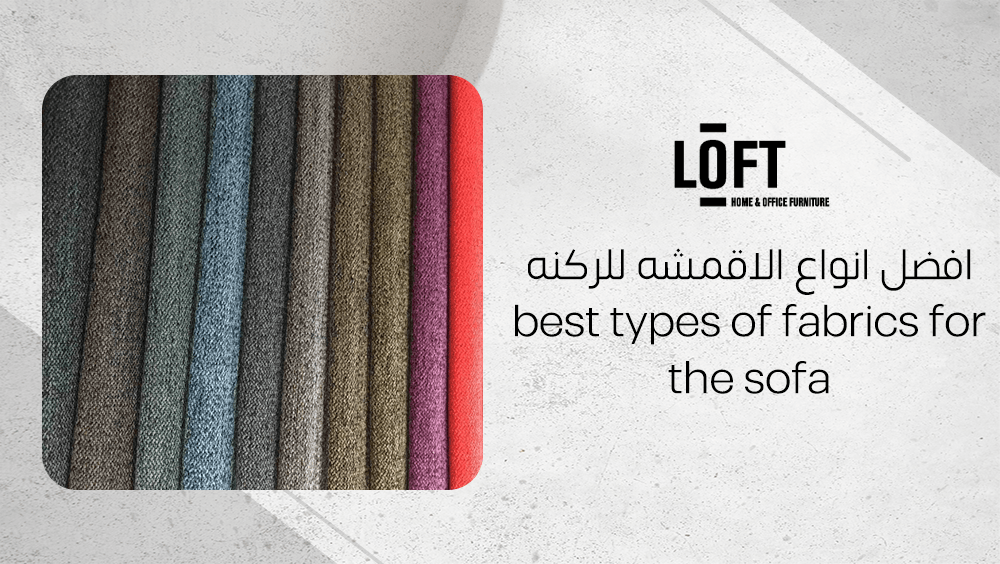
Choosing the best types of fabrics for the sofa can be trickier than it seems. With so many materials available, it’s easy to feel unsure about which one truly fits your lifestyle. Fabric isn’t just about color or pattern — it determines how long the sofa will last, how comfortable it feels, and how well it stands up to daily use. The right choice can make your living space inviting and practical for years, while the wrong one can lead to quick wear and constant upkeep.
What makes a sofa fabric ‘the best’?
Choosing the best types of fabrics for the sofa depends on how well the material balances durability, easy maintenance, and everyday comfort. A fabric that looks beautiful but wears out quickly or stains easily can lose its charm fast. The right choice often reflects the household's lifestyle — a calm space for adults may suit a delicate weave, while a busy family home needs something tougher and easier to care for.
Daily habits also play a major role. Homes with children, pets, or frequent guests should focus on fabrics that resist wear, spills, and frequent cleaning. Technical aspects, such as the tightness of the weave or the blend of synthetic fibers like polyester, lycra, or nylon, make a noticeable difference. These blends can enhance strength, help the fabric retain its shape, and keep the color vibrant for years.
How important is durability?
When choosing the best types of fabrics for the sofa, durability plays a crucial role in determining how long the upholstery will maintain its look and comfort despite daily use. A strong weave and high thread density help prevent tearing and reduce the effects of friction, especially in high-use areas. Fabrics that are treated for extra resilience provide added confidence that the sofa can withstand everyday wear while preserving its texture, structure, and overall appearance.
- Fabrics with high-density weaving are more resistant to pilling and stretching.
- Synthetic blends, such as polyester or nylon, increase toughness and color retention.
- Tear-resistant finishes reduce damage from pets’ claws or frequent sitting and standing.
- Some mixed fibers combine softness with durability, striking the right balance between beauty and practicality.
Does cleaning ease matter?
Yes, cleaning ease is essential for maintaining the sofa’s fresh and inviting look. Fabrics that are stain-resistant and quick-drying save time and effort, especially in households with kids or pets. Sofa materials treated with moisture-repellent coatings prevent spills from soaking in, while washable covers offer the convenience of a full refresh whenever needed. This combination of practicality and care-friendly design extends the sofa’s lifespan and keeps it pleasant to use daily.
Which comfort factors stand out?
Comfort is what makes a sofa truly enjoyable. Breathable fabrics that allow air circulation feel pleasant in both warm and cool weather. Smooth textures, soft finishes, and gentle flexibility — often provided by a hint of lycra — add to the seating experience. The best sofa fabrics balance tactile pleasure with functionality, creating a cozy, stylish, and long-lasting centerpiece for the home.
What are the best types of fabrics for the sofa?
Polyester is one of the most popular sofa fabrics thanks to its high durability, stain resistance, and affordability. It resists fading and wrinkling, which makes it ideal for bright or busy living rooms. When blended with nylon, the fabric becomes even stronger and more resistant to abrasions and daily wear.
However, polyester can sometimes feel less breathable compared to natural fibers, and lower-quality versions may develop pilling over time. For families with kids or pets, a tightly woven polyester or a polyester-nylon mix remains one of the most practical choices.
What about cotton blends?
Among the best types of fabrics for the sofa, cotton and cotton blends are widely appreciated for their comfort, breathability, and soft feel. A sofa covered in pure cotton offers a cozy and inviting appearance, but it can absorb spills and stains quickly. For this reason, cotton blends—often combined with polyester or acrylic—are a more practical choice for everyday use, as they provide better durability and resistance while maintaining the comfort of natural cotton.
These blends enhance stain resistance and make the fabric easier to clean while maintaining cotton’s pleasant texture. Although cotton blends offer charm and comfort, they may wrinkle more easily than synthetic alternatives.
Why choose velvet or chenille?
Velvet and chenille fabrics are associated with luxurious texture and visual depth. Velvet, with its soft sheen, brings a touch of sophistication to formal living settings, while chenille provides a warm and plush surface perfect for lounging. Both are available in various fiber types, from cotton to synthetic versions.
Their downside is in maintenance — they attract dust and require gentle cleaning methods, making them better for low-traffic spaces or households without pets. Despite the upkeep, their comfort and elegance make them timeless choices for those seeking an upscale interior style.
How do natural fibers compare?
When exploring the best types of fabrics for the sofa, natural fibers such as linen, cotton, and suede (shamwa) stand out for their organic texture and breathable comfort. Linen offers a crisp, eco-friendly, and visually refined look, though it wrinkles easily and requires extra care. Suede, by contrast, provides a soft, matte finish that feels luxurious to the touch, but it is sensitive to moisture and can be difficult to clean, making it better suited for low-traffic living spaces.
For eco-conscious homes, these fabrics create a calm and natural atmosphere, though they’re best suited for adult spaces rather than high-traffic areas or family rooms.
Does fabric density affect lifespan?
Yes, fabric density and weave tightness directly influence a sofa’s lifespan. Denser, tightly woven fabrics—like polyester or nylon blends—are far more resistant to abrasion and stretching. Loose or overly stretchy weaves may lose their shape quickly and show wear in frequently used areas.
When choosing the best types of fabrics for the sofa, it’s worth matching density and fiber type to lifestyle:
- Dense synthetics for busy households or homes with pets.
- Blended cottons for everyday comfort and style.
- Plush velvets and chenilles for statement pieces in luxury or lightly used rooms.
- Natural fibers for eco-friendly preferences with careful maintenance.
The right balance between durability, comfort, and texture ensures a sofa that stays beautiful and practical for years.
How do fabrics impact sofa comfort and style?
When selecting the best types of fabrics for the sofa, comfort is a key factor that directly shapes the seating experience. Soft and breathable materials such as linen and cotton promote air circulation, helping the sofa stay cool even during long lounging sessions. Fabrics like lycra and jersey, known for their elasticity and skin-friendly texture, adjust smoothly to body movement and provide gentle support. These options are especially suitable for family rooms and casual spaces where relaxation is a priority. In warmer climates, moisture-wicking fabrics such as linen offer an added benefit by maintaining a dry, fresh feel that enhances everyday comfort.
How do colors/textures shift decor?
Fabric color and texture play a subtle yet powerful role in shaping the mood of a room. Plush materials like chenille and velvet create a sense of coziness and elegance, perfect for spaces that aim for warmth or a touch of luxury. In contrast, linen and cotton bring a natural, eco-friendly vibe that feels airy and contemporary. The texture finish also changes how the sofa interacts with light and décor—matte or nubby fabrics fit well with rustic or modern themes, while glossy or smooth surfaces complement classic, refined interiors. Each choice tells a story about the room’s character and style direction.
Which modern sofa fabrics are trending?
Modern trends in the best types of fabrics for the sofa emphasize a balance between practicality, tactile comfort, and visual elegance. Designers and homeowners increasingly favor materials that offer a sophisticated appearance while remaining easy to maintain and resilient enough for everyday use, making them ideal for both stylish interiors and active living spaces.
- Cotton and linen: Natural fibers remain in demand for their soft texture and breathability. They lend a relaxed, organic feel to contemporary spaces while being easy to maintain.
- High-performance synthetics: Fabrics engineered to resist stains, fading, and wear are increasingly popular in busy households. They provide the look of luxury without the worry of damage.
- Vegan leather: This cruelty-free alternative offers the same refined appearance as genuine leather but with improved resilience and simple cleaning.
- Bouclé: Characterized by its looped texture, bouclé brings a cozy yet refined look to minimalist and modular sofa designs.
- Velvet: Still a favorite, modern velvet now comes in durable, easy-care versions, adding depth and warmth to both bold and neutral interiors.
How do I choose the right sofa fabric for my needs?
Choosing the best types of fabrics for the sofa starts with understanding how your household lives day-to-day. Whether your home is full of activity or you prefer a calm space, the process involves balancing beauty, comfort, and practicality.
- Assess how often the sofa will be used and by whom—families, guests, or pets.
- Choose fabrics that fit your lifestyle in terms of durability, stain resistance, and ease of cleaning.
- Evaluate comfort and tactile preference alongside practical features like colorfastness and maintenance.
- Compare costs not just by price per meter, but by longevity and care requirements.
- Test fabric samples in your home setting to ensure they match lighting and décor.
What are the best sofas available at Loft Furniture?
Loft Furniture stands out as a leader in interior design distribution, offering trend-driven, customizable pieces that balance quality and affordability. Designed for modern urban living, their collections from Sofas section combine aesthetic appeal with practical versatility, allowing every customer to create a home that reflects their personal style and comfort.
Hudson Sofa – 3 Seat with Right-Side Chaise Lounge
The Hudson Sofa embodies modern sophistication with its olive green fabric upholstery and sleek, low-profile design. Its wide and deep seats paired with a right-side chaise and block cushions create a cozy yet structured appearance. The soft matte texture adds a refined touch, blending effortlessly into both neutral and vibrant interiors. Measuring 332x167x85 cm, it fits perfectly in open-plan spaces or family rooms. The fabric is durable and easy to maintain, offering both everyday practicality and timeless elegance.
Colette Sofa 3 Seat Chaise Lounge Right
Crafted with a minimalist spirit, the Colette Sofa features a light beige textured fabric that exudes calm and harmony. Its low back, wide square arms, and skirted base give it a cohesive silhouette, ideal for medium to large rooms. With dimensions of 313x162x77 cm, it offers generous seating suitable for lounging, reading, or entertaining. The soft neutral tone complements various styles, from contemporary to classic, making it a versatile statement piece that enhances any living area.
FAQ about best types of fabrics for the sofa
Which type of fabric is best for a sofa?
For everyday use, the best types of fabrics for the sofa are cotton, linen, or synthetic microfiber. These materials offer a cozy feel while resisting stains and wear. Cotton and linen provide natural comfort and breathability, while microfiber is easy to clean and durable. It’s best to avoid loose weaves, as they can snag or stretch over time, especially in high-traffic areas.
What is the most durable fabric for a sofa?
When it comes to durability, polyester stands out as one of the strongest options. Blended with fibers like nylon, it offers exceptional resistance to stains, fading, and abrasion. These blends maintain their shape and color even with frequent use, making them ideal for families or living rooms where the sofa gets plenty of activity.
What is the best fabric to cover a sofa?
The best fabric to cover a sofa depends on the desired balance between beauty and practicality. Cotton offers breathability and comes in countless patterns and colors, while linen feels refined and cool. Velvet brings a luxurious sheen and depth, perfect for creating a statement piece. Polyester or microfiber adds durability and easy maintenance, and chenille provides a soft, textured surface that enhances both comfort and style.
Conclusion
Choosing the best types of fabrics for the sofa comes down to finding the right balance between durability, comfort, and the character of your living space. When you align fabric quality with daily use and personal style, you create a sofa that not only looks beautiful but also stands the test of time, bringing lasting comfort and satisfaction to your home.