

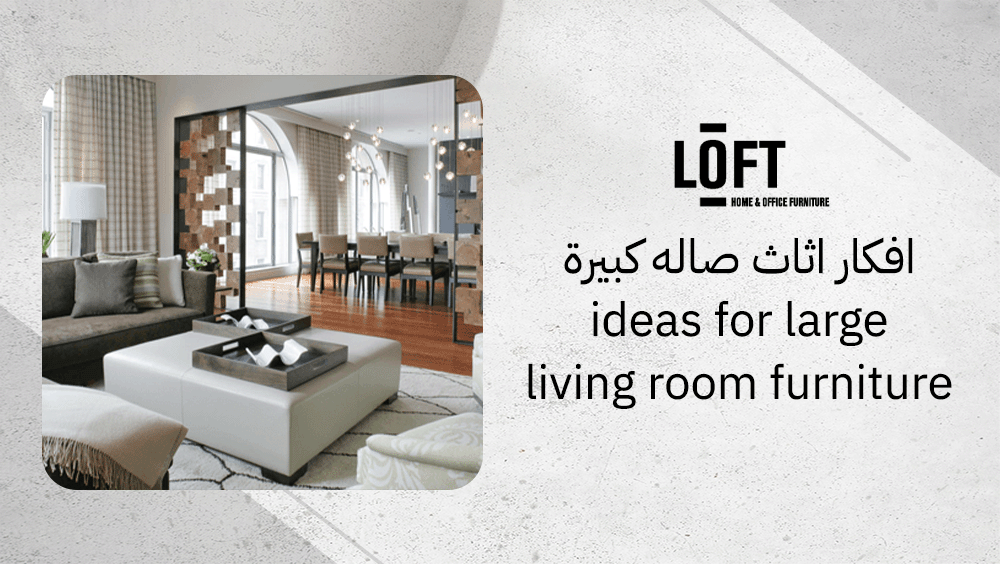
A spacious living room offers exciting possibilities—but also unique challenges, making smart ideas for large living room furniture essential. With so much open space, it’s easy for the area to feel empty or disconnected if the furniture isn’t chosen or arranged thoughtfully. The right setup can completely transform this wide expanse, turning it into a warm, cohesive environment where every corner serves a purpose. It’s not just about filling the room, but about shaping flow, comfort, and personality through well-planned furniture composition that balances scale, function, and style.
What are the best ideas for large living room furniture?
For large living rooms, creating well-defined zones helps keep the space functional and balanced. Instead of focusing all furniture around one point, divide the area into distinct sections that serve different purposes while maintaining a unified style.
- Use modular sofas or sectionals to naturally separate the main seating area from a reading or conversation nook.
- Add side tables or console tables behind sofas to subtly mark boundaries between zones.
- Place area rugs under each section to visually anchor them and tie the layout together.
This approach helps you make full use of the room’s size while keeping every corner purposeful.
How to create a focal point?
Every large living room needs a clear focal point to organize the space visually, which is where smart ideas for large living room furniture come into play. A fireplace, a striking piece of artwork, or a media unit can serve as that anchor. Once the focal point is chosen, arrange major furniture pieces—such as sofas, lounge chairs, and accent tables—around it to create a sense of order and connection. This approach not only enhances visual harmony but also prevents the area from feeling scattered or empty, turning a spacious room into a cohesive and inviting environment.
What bold furniture to use?
Large rooms welcome bold pieces that match their scale. Think of an oversized sectional sofa, deep lounge chairs, or a statement coffee table that fills the space confidently without causing clutter. Modular seating works especially well, allowing flexibility in arrangement. These substantial elements bring character and proportion, ensuring your furniture feels part of the room rather than lost in it.
How to enhance comfort and flow?
To make a large living room inviting and balanced, consider ideas for large living room furniture that enhance both style and functionality. Layering large rugs under main seating groupings anchors the space, while floor lamps or wall sconces add warm, welcoming lighting. Keep the flow natural by arranging furniture slightly away from the walls, allowing easy movement throughout the room. Mixing open and closed storage—such as shelves and cabinets—adds both practicality and visual rhythm. Incorporating natural materials or plants softens the environment and helps connect the different zones seamlessly, creating a cohesive and comfortable living area.
How to define functional zones?
Dividing a large living room into functional zones helps it feel balanced and full of life. Instead of leaving wide empty areas, each part of the room can invite a different activity — whether it’s relaxing, chatting, reading, or working. Creating these defined spaces also makes choosing and positioning large living room furniture much easier.
How to arrange main seating zone?
Start by positioning the main sofa or sectional as the centerpiece of the living space, making it a key element in ideas for large living room furniture. This establishes a central gathering point and naturally organizes the surrounding zones. Accent chairs should face inward toward the conversation area rather than just the TV, fostering a sociable and flexible environment where everyone feels included. Thoughtful placement of these furniture pieces ensures both comfort and flow, turning a spacious room into a welcoming and cohesive living area.
- Place the largest sofa or sectional in the central zone to anchor the space.
- Add accent chairs opposite or adjacent to the sofa to maintain visual balance.
- Include a coffee table or ottoman within easy reach for comfort and practicality.
- Use a rug to define the boundaries of the main seating area and tie the pieces together.
How to design secondary areas?
Secondary areas extend both the functionality and charm of a large living room, making thoughtful ideas for large living room furniture essential. A cozy reading nook by a window, complete with a comfortable armchair and floor lamp, creates a quiet retreat. A fireside lounge with a smaller sofa and side table forms a warm, intimate zone. You might also dedicate a corner as a tranquil space for games or display. Each area can be defined with its own rug, lighting, or furniture arrangement, while maintaining harmony through consistent color tones and textures, ensuring the entire space feels cohesive and inviting.
What layout tips maximize use?
- Float furniture instead of pushing it against the walls to create natural pathways.
- Maintain clear walking routes between each zone for an open, breathable look.
- Choose furniture that complements rather than overwhelms the scale of the room.
- Keep sightlines open so that all zones feel visually connected and cohesive.
How to choose bold and versatile furniture?
In spacious living rooms, large-scale sectionals or modular sofas serve as a key element in ideas for large living room furniture, creating a natural anchor that defines the main seating zone. Their broad shapes fill the area harmoniously while providing ample seating for gatherings. Low-backed and wide designs maintain a sense of openness, preventing the furniture from overwhelming the room. Modular units are particularly practical, allowing easy reconfiguration to suit different layouts and social occasions, ensuring both flexibility and style in a generous living space.
What makes furniture versatile?
Versatile furniture adapts to evolving needs without compromising style. Pieces that combine multiple functions—like ottomans that double as coffee tables or storage benches that conceal clutter—maximize space efficiency. Sectional sofas with movable modules can shift from intimate setups to larger entertaining arrangements. Sideboards that serve both as display units and storage pieces balance practicality with design appeal, ensuring every item earns its place in the room.
How to use statement pieces?
Statement furniture adds character and defines the personality of a large living room, making it an exciting part of ideas for large living room furniture. A bold-colored sofa, an oversized coffee table, or an art-inspired accent chair can instantly draw the eye and showcase your design taste. The key is thoughtful placement and balance, ensuring these standout pieces enhance the space without overwhelming it, creating a room that feels stylish, dynamic, and harmonious.
- Position a statement piece in a focal spot where it can stand out without cluttering the layout.
- Match its scale to the room’s proportions to maintain visual harmony.
- Let surrounding furniture be more neutral to allow the standout element to shine naturally.
- Use lighting or rugs to subtly direct attention toward the statement item.
These choices help transform a large living area into an expressive, well-composed space that feels both cohesive and dynamic.
How to balance with supporting elements?
Large rugs play a crucial role in tying together furniture arrangements in spacious living rooms, making them a smart consideration in ideas for large living room furniture. They visually anchor the main seating area, preventing sofas, chairs, and tables from feeling scattered or disconnected. For cohesion, position at least the front legs of major pieces on the rug. This setup subtly defines the space without the need for physical dividers, creating a comfortable, unified, and inviting gathering zone.
How to layer lighting?
Layered lighting adds both ambience and flexibility to a large living room. Instead of relying on a single overhead source, combine ceiling lights with floor and table lamps to distribute illumination evenly across the space. Accent lighting, such as wall washers or spotlights, can highlight art or architectural features, enriching depth and mood. This layered approach allows you to adjust brightness levels to suit different activities—whether relaxing, entertaining, or reading—while maintaining a balanced visual flow.
What accessories help balance?
- Open shelving adds structure and displays objects without overwhelming the room.
- Large planters or natural elements bring life and texture, complementing substantial furniture pieces.
- Artwork chosen in proportion to the wall and furniture scale keeps visual balance intact.
- Decorative pillows introduce warmth, color, and dimension to soften large surfaces.
- Group accessories in odd numbers—three, five, or seven—for natural symmetry and pleasing harmony.
What are the best Loft Furniture pieces for large living rooms?
Loft Furniture presents a curated selection that perfectly fits large living rooms, offering both elegance and functionality. These pieces help define different areas within spacious interiors while keeping the space cohesive and balanced.
Monza Sofa Modular Right
The Monza Sofa Modular Right from Sofas section is ideal for open and adaptive layouts, making it one of the most versatile ideas for large living room furniture. Its modular design allows multiple configurations — you can arrange it as a corner unit for social gatherings or separate it to create distinct seating zones.
Crafted with supportive back cushions, a low-profile silhouette, and rich green textured fabric, it brings both comfort and warmth to any modern or minimalist setting. The wide armrests and uniform seat depth enhance its practicality, while the quality materials ensure durability and visual appeal. Measuring 470 x 430 x 80 cm, the Monza is available for pre-order with a delivery time of 3–5 months.
Hella Set of 3
The Hella Set of 3 from Tables section combines functionality with understated elegance. It includes one oval center table and two coordinated side tables, each featuring a glass top and metal frame in soft brown hues. This set offers flexibility in large living rooms — the tables can be kept together to form a cohesive centerpiece or placed separately to highlight different areas.
The spacious center table includes a convenient storage shelf, while the side tables serve perfectly beside sofas or lounge chairs. Their glass surfaces are effortless to maintain and help visually lighten expansive spaces. The dimensions are: Center Table L123 x H40 x W89 cm, Side Tables L55 x H55 x W40 cm.
What styling tips create harmony in large rooms?
Balancing modern pieces with natural materials brings life and warmth to a large living room, making it an essential consideration in ideas for large living room furniture. Wood accents—whether in furniture frames, coffee tables, or shelving—soften sleek contemporary lines and help ground the space. Incorporating indoor plants of varying sizes adds movement and a calming touch of nature, easing the scale of the room. These organic details complement modern designs beautifully, creating a living area that feels fresh, inviting, and harmoniously styled.
How to use color and texture?
A neutral palette keeps a large room airy and open, making hues like beige, taupe, and gentle greens excellent base tones. These colors reflect light softly and allow other design elements to stand out without overwhelming the space. To prevent the room from feeling flat, layering textures is key—mix smooth leather with soft velvet, pair glossy glass accents with richly woven rugs. This variation adds depth and comfort, helping expansive spaces feel cohesive and lived-in.
What finishing touches work best?
Finishing touches give personality and flow to a large living room. Try layering rugs to define different seating zones and create visual anchors. Arrange accessories—art, books, trays, or ceramics—in groupings of three, five, or seven for a balanced look that feels effortless. Lighting also plays a major role: combine floor lamps, pendant lights, and sconces at different heights to guide the eye naturally through the room. These thoughtful details tie everything together and enhance harmony across the space.
Frequently asked questions about ideas for large living room furniture
What is the 3-5-7 rule in interior design?
The 3-5-7 rule in interior design encourages grouping objects in odd numbers—three, five, or seven. Arranging furniture or décor this way creates a sense of harmony and visual movement that feels more natural and dynamic than even-numbered groupings.
What is the 2 3 rule for living rooms?
The 2 3 rule suggests that your sofa should measure roughly two-thirds the length of the main wall or seating area. This proportion helps achieve visual balance, making the space feel well-scaled and cohesive rather than overcrowded or sparse.
What is the 3 4 5 rule in interior design?
The 3 4 5 rule in interior design offers guidance for creating depth and structure. Groups of three items introduce energy and flow, four items convey balance and steadiness, and five elements bring richness and layered visual interest to the arrangement.
Conclusion
Selecting the right ideas for large living room furniture allows you to achieve both structure and style in an expansive space. With thoughtful furniture choices, a spacious room can be divided into functional zones while maintaining design harmony and visual balance, turning it into a warm, inviting, and distinctly personalized home environment.