

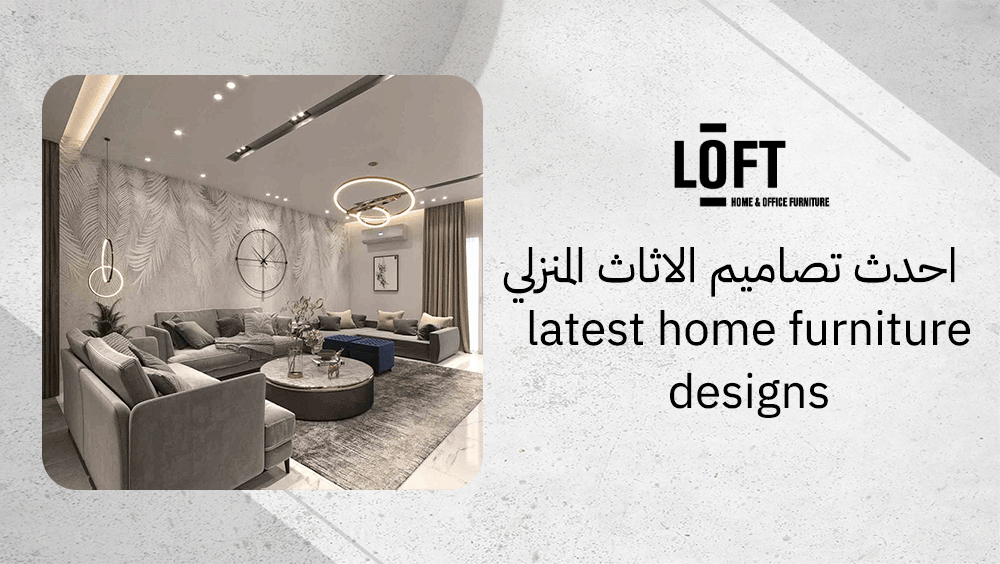
Home interiors are evolving faster than ever, reflecting the way modern lifestyles continue to change and how latest home furniture designs are reshaping our living spaces. As people seek a balance between comfort, function, and personal identity, their homes have become more than just places to rest — they are true expressions of who they are. Today’s furniture designs focus not only on visual appeal but also on smart functionality and environmental awareness, with growing emphasis on eco-friendly materials, energy-efficient pieces, and sustainable production methods. This shift toward conscious living encourages everyone to reimagine their homes as harmonious, adaptable environments that promote well-being while respecting responsibility toward the planet.
What are the latest home furniture designs?
- Furniture made from recycled wood, bamboo, and reclaimed metals reflects a growing shift toward environmental responsibility.
- Many designers are using low-impact finishes and eco-conscious production methods to reduce waste and emissions.
- Natural fibers and biodegradable materials are increasingly valued for their beauty and longevity.
This trend is driven by awareness of sustainability and the desire for healthier living spaces. Beyond their eco-friendly nature, these pieces bring authenticity and warmth to interiors. A dining table crafted from reclaimed oak or seating made of bamboo embodies both elegance and purpose.
Organic forms & curves
Rounded silhouettes are taking over the straight, rigid lines of past years. Sofas, coffee tables, and chairs are now designed with soft edges and flowing shapes that create a sense of comfort and calm. These organic forms promote relaxation and visual balance, offering a more welcoming atmosphere ideal for modern homes.
Multi-functional space-saving
- Convertible sofas: Seamlessly transform living spaces from lounge to guest room with designs that switch between sofa and bed.
- Foldable tables: Easily expand or collapse dining or working surfaces to adapt to different activities.
- Modular units: Allow flexible arrangements where storage, seating, and shelving combine according to room size and use.
Compact urban homes benefit greatly from such versatility. The appeal lies in practicality—each piece serves more than one purpose without compromising aesthetics. This approach maximizes limited space and encourages a clutter-free environment.
Natural texture & colors
Materials like rattan, linen, and wool are defining the current design landscape. These tactile fabrics, when paired with earthy hues such as beige, gray, and brown, create a peaceful connection to nature. The result is a soothing interior that promotes wellbeing and visual comfort, turning everyday living areas into cozy retreats.
Vintage and customization influences
Many of the latest home furniture designs borrow inspiration from vintage aesthetics, combining nostalgic details with modern craftsmanship. Customization has become equally significant—users can tailor colors, finishes, or fabric combinations to express individuality. Whether it’s a mid-century-inspired armchair in a custom upholstery or a hand-painted cabinet, each piece becomes a personal statement adding character and depth to contemporary interiors.
How does modern furniture balance style and comfort?
Modern furniture is carefully crafted to meet the changing needs of urban lifestyles. With homes becoming more compact and dynamic, designs focus on flexibility—pieces that can adapt to multiple uses and reconfigure easily for different activities. A sofa may transform into a guest bed, or a modular shelf might shift to create extra workspace. This fluidity allows modern interiors to feel spacious and functional, even within limited square footage, reflecting the essence of city living today.
Emphasis on functionality
- Many of the latest home furniture designs prioritize ergonomics by aligning forms with the human body for better posture and reduced strain during daily use.
- Designers use plush fabrics and layered cushioning to maintain comfort over extended periods, particularly in pieces used for work-from-home or leisure.
- Surfaces are often created with durability and ease of cleaning in mind, using advanced materials that retain elegance without losing practicality.
- Storage integration has become essential, with hidden compartments and convertible structures making small spaces more efficient.
Each element serves a purpose—functionality is never separated from style but rather woven into it, making modern furniture inviting and intelligently designed.
Aesthetic harmony in design
A central feature of contemporary furniture is its ability to balance visual appeal with everyday comfort. Designers use clean lines, well-defined silhouettes, and neutral tones to create calm, cohesive interiors that still feel warm and livable. For example, an armchair may pair soft upholstery with a refined, angular frame, merging coziness and structural clarity. Similarly, dining tables often feature tactile surfaces—like matte wood or smooth terrazzo—that add sensory depth while maintaining a sleek, modern look. This harmony creates a space where form and function co-exist beautifully.
Role of biophilic elements
Nature-inspired details have become an integral part of modern furniture design. Organic shapes, earthy tones, and natural materials like wood, rattan, or stone mimic outdoor serenity and foster a sense of wellbeing indoors. Even subtle green hues or curved forms can evoke calmness and connection to nature, helping balance the energy of fast-paced urban life. By infusing interiors with biophilic touches, modern furniture nurtures both psychological comfort and aesthetic warmth.
How do sofas and tables shape modern spaces?
In the latest home furniture designs, sofas and tables serve as the starting point around which entire spaces are built. They anchor living and dining areas, defining both function and style. Their design language often sets the tone for the whole interior, balancing beauty, practicality, and comfort.
Modern design follows a few essential principles that make these pieces timeless:
- Clean lines that highlight form without unnecessary ornamentation.
- Modular layouts that can adapt easily to different room sizes or family needs.
- Neutral palettes that create a calm, balanced atmosphere and allow flexibility with color accents.
- Multipurpose details such as storage compartments, adjustable surfaces, or transformable modules that boost everyday usability.
These principles keep spaces organized, open, and visually cohesive—qualities that define contemporary interiors.
Comfort versus minimalism
Today’s sofas and tables prove that comfort and minimalism can coexist beautifully. While modern frames are sleek and streamlined, designers ensure they remain welcoming through ergonomic forms and plush materials. Sofas balance structured silhouettes with deep seating and soft cushions, while tables feature simple yet human-centered proportions. This blend ensures that users enjoy both visual clarity and real comfort in their daily living spaces.
Material blending in practice
A hallmark of current furniture design is material mixing. Combining metal legs with wooden or marble tabletops, or pairing fabric upholstery with exposed steel frames, introduces rich layers of texture. These subtle contrasts not only enhance durability but also bring warmth and sophistication to the overall look, preventing minimalism from feeling sterile.
Defining space and function
Sofas and tables go beyond aesthetics; they define how space is used and experienced.
- Sofas often act as natural dividers in open-plan layouts, separating living zones without blocking visual flow.
- Dining or coffee tables anchor gatherings, becoming focal points for conversation or shared meals.
- Modular table systems and sectional sofas support flexible layouts that adapt to various lifestyles.
Together, they shape a versatile backdrop for personal expression through decor, lighting, and accessories.
Supporting visual harmony
By maintaining consistent proportions, materials, and tones, sofas and tables contribute to a coherent visual rhythm within modern interiors. Their balanced presence connects different zones of a home, reinforcing flow and calmness—an essential trait in the latest home furniture designs that celebrate simplicity and comfort in equal measure.
What are the best latest home furniture designs at Loft?
Loft Furniture stands out as one of the top destinations for the latest home furniture designs, combining contemporary aesthetics with durable craftsmanship. Each piece reflects a thoughtful balance of style and comfort, making it easier for you to shape interiors that feel both refined and personal. Loft’s creations are known for their innovative use of materials, sophisticated tones, and timeless silhouettes that blend seamlessly into modern living spaces.
Ceron Sofa 3 Seater Corner Right
The Ceron Sofa 3 Seater Corner Right from Sofas section brings inviting comfort and elegant minimalism into your living area. Its generous L-shaped form, finished in a soft light Alpha Coconut tone, makes it a versatile choice for open-concept homes. Crafted from durable woven fabric, it promises long-lasting quality while maintaining a plush, tactile feel that encourages relaxation.
This right-corner configuration features a pillow-style supportive back, balancing structure with coziness, and its neutral palette allows effortless pairing with different décor styles. Measuring 358.5 x 289.5 x 88 cm, the Ceron Sofa offers ample space for gatherings or peaceful lounging. Its modular design and understated look make it ideal for contemporary interiors seeking both functionality and elegance.
Huelva Dining Table
Sculptural and sophisticated, the Huelva Dining Table from Tables section is a statement of artful design and practicality. Its oval tabletop resembles dark stone, creating an organic contrast against its multi-material legs that blend matte black, stone texture, and brass-toned accents. This dynamic combination results in a visually striking piece that anchors the dining space with ease.
Accommodating six to eight people, the Huelva Dining Table is perfectly sized for both intimate dinners and social gatherings. Its clean lines and refined surfaces complement a range of interior moods—from minimalist setups to boldly decorated modern homes. More than just a dining piece, it serves as a functional centerpiece that connects design and everyday living with effortless style.
FAQs about latest home furniture designs
What are trending furniture materials?
The latest home furniture designs highlight the beauty of natural and sustainable materials. Recycled woods, bamboo, and eco-friendly metals are favored for their modern yet earthy character. Soft textiles such as linen, rattan, and cotton add comfort, while stone finishes bring a touch of sophistication and durability to contemporary homes.
How do I choose a sofa for a small space?
When decorating a small living area, look for modular or convertible sofas that adapt to your needs. Pieces with built-in storage help keep the room tidy, while light and neutral colors create an airy sense of openness without making the space feel cramped.
Which furniture style fits minimalist homes?
Minimalist interiors shine with furniture that has clean lines, neutral palettes, and subtle textures. The focus is on simplicity and practicality, so choose space-saving designs that blend function and form to maintain a calm, uncluttered atmosphere.
Conclusion
The latest home furniture designs reflect a beautiful balance between elegance, sustainability, and functionality. As design trends move toward multi-use concepts and eco-friendly materials, homes are becoming more expressive and versatile. This evolution invites everyone to see their spaces not just as places to live, but as canvases for creativity—where artful inspiration meets practical living.