

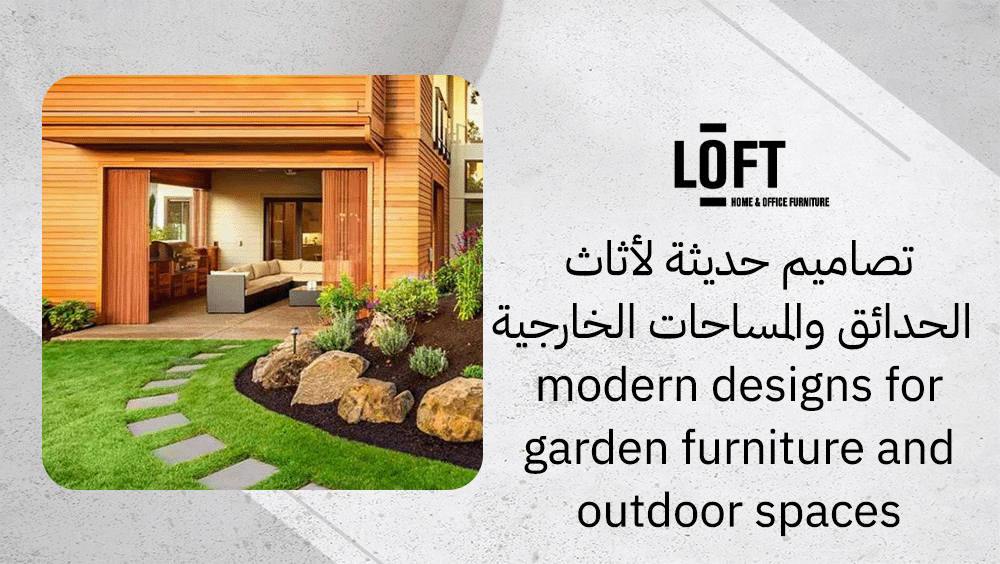
The charm of modern designs for garden furniture and outdoor spaces has never been more captivating. As homes evolve into dynamic, multifunctional environments, people are increasingly drawn to transform their gardens, patios, and terraces into elegant extensions of their indoor living areas. The desire for comfort, connection with nature, and personalized style is driving this movement, turning outdoor spaces into sanctuaries for relaxation, creativity, and social gatherings.
What Are Modern Designs for Garden Furniture?
Modern designs for garden furniture and outdoor spaces blend simplicity, creativity, and comfort in one cohesive concept. These designs focus on streamlined aesthetics with smooth surfaces, sculptural silhouettes, and materials that adapt to outdoor conditions. The goal is to create spaces that extend the style of the home outdoors, offering both visual harmony and practical usability.
Unlike the heavy and decorative pieces often seen in traditional settings, modern garden furniture leans toward minimal, flexible forms that invite relaxation. Rounded sofas, oval tables, and soft-edged chairs replace rigid lines, offering a sense of flow that complements nature. The integration of design and function makes these pieces suitable for various layouts, whether for lounging, dining, or social gatherings.
Main Features of Modern Garden Furniture
Modern garden furniture reflects modern designs for garden furniture and outdoor spaces through a refined balance between form and function. Inspired by mid-century aesthetics and subtle retro accents, these designs maintain a clean and timeless appearance that suits contemporary outdoor settings. Designers focus on durable yet elegant materials such as metal, treated wood, and weather-resistant fabrics, ensuring that each piece withstands outdoor conditions while preserving style, comfort, and long-term usability.
- Rounded sofas and curved seating create inviting, ergonomic outdoor lounges.
- Oval and asymmetrical tables add movement and soften the geometry of open spaces.
- Chairs with smooth edges and sculptural shapes enhance comfort and visual appeal.
- Modular and multifunctional furniture allows easy reconfiguration for different uses.
- A mix of retro details and contemporary textures adds personality and depth.
How Modern Outdoor Spaces Differ
Modern outdoor spaces differ from traditional ones by embracing openness and fluidity. They often merge seamlessly with indoor areas through similar materials, color palettes, and design cues. This indoor-outdoor continuity enhances relaxation and usability while making nature a central part of daily living. The combination of innovative materials and thoughtful design elevates outdoor comfort, transforming patios and gardens into true living spaces.
Latest Trends in Garden Furniture and Outdoor Spaces
Outdoor living continues to evolve as modern designs for garden furniture and outdoor spaces blend comfort, style, and environmental awareness. The focus for 2026 is on soft organic forms, creative material combinations, and versatile modular layouts that transform gardens into functional extensions of the home.
Curved and Sculptural Shapes
Curved silhouettes dominate the latest garden furniture trends, replacing sharp lines with flowing organic forms that feel both artistic and inviting. Sofas with rounded backs, pebble-shaped seating, and wave-like loungers reflect this sculptural direction. These pieces create a natural rhythm across patios and decks, offering a sense of movement inspired by the shapes found in nature. The trend promotes comfort and visual harmony, making outdoor areas look more relaxed yet stylish.
Mixed Natural Materials
Designers are blending multiple raw and refined materials to achieve depth and texture in outdoor furniture. The mix bridges rustic charm with contemporary sophistication.
- Teak and bamboo add warmth while ensuring durability under changing weather conditions.
- Rattan and FSC-certified wood bring an eco-conscious appeal and light, organic texture.
- Metals and concrete are introduced to provide structure and contrast to softer natural tones.
- Woven ropes and terracotta accents enhance tactile richness and Mediterranean character.
- Weathered wood finishes give a lived-in feel that integrates seamlessly with garden greenery.
This layered use of materials not only enhances aesthetic versatility but also reflects a responsible approach to design.
Multi-Functional and Modular Pieces
Adaptability is a defining feature of modern designs for garden furniture and outdoor spaces. Contemporary outdoor layouts often rely on modular seating that can be rearranged to suit both intimate evenings and larger gatherings. Outdoor sofas may be extended or separated, nesting tables can be tucked away when not in use, and expandable benches provide additional seating when guests arrive. Many modern designs also include smart features such as built-in heaters or integrated lighting systems, allowing outdoor areas to remain comfortable and functional throughout different seasons.
Simplicity and Sustainability
A minimalist direction shapes garden styling in 2026, emphasizing functionality, calm, and environmental mindfulness.
- Recycled and responsibly sourced materials are now a top priority, ensuring every piece supports long-term ecological balance.
- Biophilic design elements, such as planters integrated into furniture, strengthen the bond between nature and living space.
- Layering with woven rugs or ceramic stools adds subtle luxury without overwhelming simplicity.
- Neutral palettes with soft greens, stone hues, or clay tones foster a timeless and soothing atmosphere.
These choices underline how outdoor spaces are no longer just decorative but serve as true extensions of the home—comfortable, expressive, and consciously designed to last.
How to Coordinate Modern Garden Furniture with Outdoor Spaces
When coordinating modern designs for garden furniture and outdoor spaces, the key lies in creating a seamless connection between style, function, and nature. A modern outdoor setting should feel like an extension of your indoor living area—open, balanced, and thoughtfully curated. Small details such as materials, layout, and accessories can make the entire space feel cohesive and inviting.
Choosing the Right Materials
Selecting suitable materials ensures both durability and visual harmony. Look for weather-resistant finishes and natural tones that complement greenery and architectural elements alike. Combining textures and surfaces adds depth while keeping a clean, modern aesthetic.
- Teak offers warmth and resilience, blending beautifully with garden landscapes.
- Aluminium provides a sleek, urban edge and resists corrosion effectively.
- Rattan or synthetic wicker adds texture and comfort while remaining low-maintenance.
- Recycled or eco-friendly materials enhance sustainability without sacrificing contemporary appeal.
Such materials not only withstand outdoor conditions but also echo the natural surroundings, harmonizing softness with structure.
Creating a Functional Layout
Plan your layout with flexibility in mind. Modern outdoor furniture—especially modular or sectional seating—can be arranged to define dining, lounging, or social zones without rigid barriers. Keep movement fluid by placing pieces to encourage conversation and connection. This approach enhances the sense of openness while maintaining clear functionality, making the most of every corner of your terrace or garden.
Enhancing with Accessories
Accessories transform an outdoor setup from simple to sophisticated. Layer items mindfully to preserve modern minimalism while adding warmth and personality.
- Use outdoor rugs to anchor spaces and add soft contrast underfoot.
- Introduce textured pots and planters for a biophilic touch that ties design to nature.
- Incorporate subtle lighting—like lanterns or LED strips—to create ambiance after sunset.
- Add a living wall or select recycled-content décor pieces for a sustainable flair.
By echoing indoor design cues and maintaining visual continuity, your garden or patio can reflect a modern, cohesive, and comfortable outdoor lifestyle.
The Role of Loft Furniture Distribution in Interior Design
Loft Furniture stands out as a contemporary destination for home furnishings and accessories, offering products that reflect individuality and creativity. The brand is recognized for its inspiring solutions in modern designs for garden furniture and outdoor spaces, emphasizing pieces that merge functionality with aesthetics. By focusing on unique and personalized items, Loft transforms outdoor living into a natural extension of the home—spaces that feel expressive, balanced, and attuned to modern lifestyles.
Rooted in the essence of urban living, Loft’s approach highlights adaptable layouts, raw materials, and customized details that cater to varied tastes and needs. Every collection embodies a balance of industrial character, clean refinement, and inviting comfort. The company’s commitment to quality, fair pricing, and comprehensive interior design services allows clients to enjoy a fluid connection between indoor and outdoor areas. This holistic philosophy reflects a modern way of living—where stylish garden furniture complements contemporary interiors, creating a cohesive and welcoming environment throughout the home.
What Are the Best Modern Garden Furniture Products?
When exploring modern designs for garden furniture and outdoor spaces, Loft Furniture stands out for its carefully curated collection that marries quality, durability, and aesthetics. Each piece from the Outdoor Furniture section reflects a contemporary approach to outdoor living — functional, versatile, and resistant to the elements while maintaining a sense of refined style. Among Loft’s standout options, the Tolo Outdoor 3-Seater Sofa and the Tolo Outdoor Dining Table beautifully capture the essence of modern outdoor elegance.
Tolo Outdoor 3-Seater Sofa
The Tolo Outdoor 3-Seater Sofa redefines comfort and sophistication for open-air living. Crafted from premium aluminium in a refined beige tone, this sofa (236 x 126 x 72 cm) offers generous proportions and a light, streamlined feel. Its weather-resistant materials make it ideal for year-round enjoyment, while its easy-care design suits busy lifestyles. Plush cushions provide exceptional comfort, whether used for relaxed solo lounging or lively gatherings. With its balanced aesthetic, it blends effortlessly into both organic garden settings and sleek, modern terraces.
Tolo Outdoor Dining Table
Designed for outdoor dining with understated elegance, the Tolo Outdoor Dining Table exemplifies clean, modern lines and spacious comfort. Made from durable sand-colored aluminium, this piece (240 x 98.5 x 75 cm) offers a sturdy yet refined presence. The minimalist silhouette brings a contemporary charm that complements a range of outdoor seating options and décor styles. Its generous surface invites gatherings, making it perfect for shared meals and lively conversations in open-air settings. Engineered for longevity, it promises both resilience and timeless appeal.
Comparing Modern Garden Furniture with Traditional Styles
When looking at modern designs for garden furniture and outdoor spaces, the differences with traditional styles are striking in both appearance and practicality. Each approach reflects a distinct philosophy of outdoor living, blending aesthetics with lifestyle preferences.
Form and Aesthetics
- Modern garden furniture often features gentle curves, sculptural silhouettes, and clean, minimalist lines that create a sense of visual calm. Modular shapes make it easy to rearrange pieces, allowing fluid transitions between lounging and dining areas.
- Traditional designs, in contrast, showcase intricate craftsmanship through woodcarving, wrought iron scrolls, and ornamental details. These pieces carry a sense of weight and permanence, ideal for those who love a classic or nostalgic look.
Function and Comfort
- Modern pieces are designed with flexibility in mind. Many are multi-purpose — for example, benches doubling as storage or sectional sets that adapt to different occasions. Soft cushions, ergonomic forms, and weather-resistant materials enhance comfort with little effort.
- Traditional furniture tends to be fixed in shape and arrangement. While it exudes elegance, it may feel less adaptable to small or changing outdoor layouts and usually requires additional accessories for comfort.
Maintenance and Sustainability
- Modern garden collections frequently incorporate eco-friendly materials such as recycled plastics, sustainably sourced wood, or aluminum with powder-coated finishes. They are lighter, easier to move, and require minimal care.
- Traditional options, though durable, often demand regular upkeep — polishing wood, treating iron against rust, or replacing heavier fabrics. Their sustainability depends largely on long-term maintenance rather than innovative materials.
Lifestyle and Suitability
- The advantages of modern designs include easier adaptability, a closer connection to nature through open forms, and alignment with sustainable living trends. They blend effortlessly with smart lighting or heating systems, extending outdoor use across seasons.
- Traditional furniture remains a meaningful choice for historic gardens, period homes, or spaces where heritage aesthetics are treasured. Yet for contemporary lifestyles centered on versatility and environmental awareness, modern design holds broader appeal.
Frequently Asked Questions about Modern Designs for Garden Furniture and Outdoor Spaces
What materials are best for modern outdoor furniture?
Weather-resistant materials like aluminium, teak, rattan, and recycled synthetics are highly popular for combining long-lasting durability with sleek, contemporary aesthetics in modern garden furniture.
How do I maintain aluminium garden furniture?
Aluminium furniture requires only occasional cleaning with mild soap and water to maintain its appearance, as it naturally resists rust and corrosion even in changing outdoor conditions.
What defines a modern outdoor space?
A modern outdoor space is open, flexible, and uncluttered. It often includes modular furniture, natural textures, and seamless connections with the surrounding environment. The goal is to create a functional yet stylish area that embraces simplicity, comfort, and a sense of flow between indoor and outdoor living.
Conclusion
Modern designs for garden furniture and outdoor spaces create a perfect balance between aesthetics, comfort, and eco-friendly thinking. They allow homeowners to shape outdoor areas that feel both elegant and inviting, reflecting a lifestyle where beauty meets functionality and sustainability remains at the heart of every design choice.