

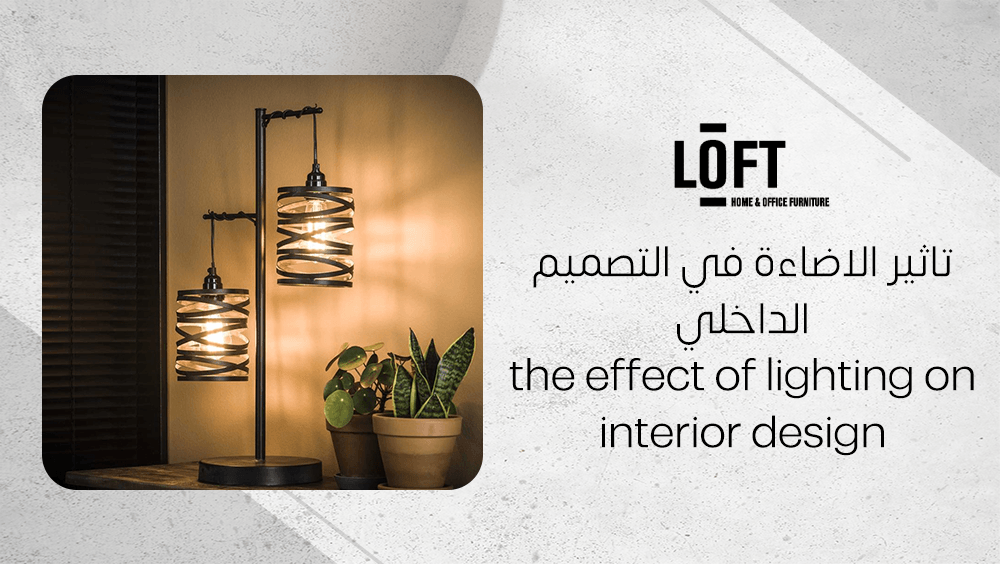
Ever walked into a beautifully designed room that somehow felt flat or lifeless? The missing factor was probably lighting. More than just a tool to brighten a space, lighting shapes how we experience and interpret interiors—it defines mood, enhances color, brings textures to life, and even changes how large or intimate a room feels. In other words, the effect of lighting on interior design is as much emotional as it is visual, influencing the entire character of the environment.
How does lighting impact interior design?
Lighting holds remarkable power in shaping the character and functionality of any interior. It defines how spaces feel, shifting from soft and restful to lively and stimulating with just a change in intensity or warmth. The effect of lighting on interior design reaches far beyond simple visibility — it influences mood, alters color perception, and even transforms the way a room’s size and proportions are experienced.
Natural and artificial light both interact deeply with human psychology and perception. Sunlight streaming through a window can boost energy and focus, while dim, warm artificial light invites calm and comfort. That’s why lighting design is a core component of interior planning — it determines how people connect emotionally with their surroundings, whether it’s unwinding in a cozy bedroom or staying alert in a bright, functional workspace.
How does lighting set mood?
Lighting directly shapes a room’s emotional tone, highlighting the effect of lighting on interior design in a powerful and often underestimated way. Warm lighting, rich in yellow and orange tones, evokes intimacy and relaxation—making it perfect for bedrooms or living areas where comfort and calm are essential. In contrast, bright, cooler light encourages alertness and productivity, which is why it works best in kitchens, offices, and study corners. By simply adjusting brightness and color temperature, you can harness the effect of lighting on interior design to guide how a space feels and functions—without changing a single piece of furniture.
How does lighting affect colors?
The same wall paint or fabric can look completely different under varying lighting conditions. Warm light enhances reds, oranges, and browns, giving them a richer, more inviting appearance. Cool light, on the other hand, sharpens blues and whites, highlighting crisp details and creating a fresh, modern tone. For example, a beige sofa might appear cozy and golden under warm lighting but take on a muted, neutral tone under cooler illumination. This interplay shows why choosing the right light source is just as crucial as picking the color palette itself.
How does lighting change space perception?
Lighting can visually expand or contract interior spaces, clearly demonstrating the effect of lighting on interior design beyond mere illumination. Bright ceiling lights draw the eye upward, making ceilings appear taller and rooms feel more open, while gentle floor-level lighting adds warmth and depth, guiding movement and grounding the space. Layered lighting—combining sources from different heights and directions—balances these effects and is especially crucial in small or multifunctional rooms. In many cases, how spacious, cozy, or balanced a home feels depends less on square footage and more on the effect of lighting on interior design and how light interacts with the space.
What are the main types of lighting in interior design?
Layering different types of lighting is key to creating depth, comfort, and functionality in any room. In interior design, there are three main categories of artificial lighting—ambient, task, and accent—each serving a specific purpose. Together, they shape how a space looks, feels, and functions throughout the day.
What is ambient lighting?
Ambient lighting, often called general lighting, provides the main source of illumination in a room. It ensures visibility and comfort, setting the overall tone and mood of the space. This foundational layer spreads light evenly, helping other lighting elements blend seamlessly.
- Ceiling fixtures such as chandeliers, flush mounts, or pendant lights are common sources of ambient light.
- Recessed or track lighting can distribute light uniformly across large or open-plan areas.
- Wall-mounted sconces can fill shadows and create a soft, welcoming glow.
When chosen thoughtfully, ambient lighting forms the canvas upon which task and accent lighting work their magic.
What is task lighting?
Task lighting is all about focus and function, highlighting the effect of lighting on interior design from a practical perspective. It delivers brighter, localized illumination for specific activities such as reading, cooking, studying, or grooming. By providing light exactly where it’s needed, task lighting reduces eye strain, improves comfort, and enhances efficiency—showing how the effect of lighting on interior design directly supports both usability and well-being in everyday spaces.
In a living room, this might mean a table lamp beside the sofa for evening reading. In the kitchen, under-cabinet lights brighten countertops for meal prep. At a desk, a sleek adjustable lamp keeps paperwork well-lit. The secret lies in placement—task lights should be directed exactly where you need them without creating glare or shadows.
What is accent lighting?
Accent lighting introduces drama and depth. It highlights artworks, architectural details, or décor pieces, drawing attention to the room’s best features. Think of it as the finishing touch that adds personality and visual interest.
Spotlights, picture lights, or LED strips can all serve as accent lighting. A beam directed toward a textured wall or sculpture instantly elevates ambience. The contrast between bright highlights and softer ambient light adds dimension, giving spaces a more curated feel.
What about natural lighting?
Natural lighting remains unmatched in shaping interior atmosphere, clearly reflecting the effect of lighting on interior design at its most organic level. Sunlight energizes a space, enhances true color perception, and positively influences mood and well-being. It also reduces reliance on artificial lighting, supporting energy efficiency while creating interiors that feel healthier, more open, and naturally inviting.
To maximize natural light:
- Use large windows or glass doors to invite sunlight deep into the space.
- Hang sheer curtains that filter light gently without blocking it.
- Incorporate mirrors or glossy surfaces to reflect brightness across the room.
- Paint walls in pale or neutral tones to enhance the sense of openness.
Balancing natural and artificial lighting not only enriches interior design but also improves comfort, energy efficiency, and daily living. When both interact harmoniously, they create interiors that feel vibrant by day and cozy by night.
How does lighting distribution influence modern interior design?
Lighting distribution shapes the entire atmosphere of modern interiors, clearly illustrating the effect of lighting on interior design beyond simple brightness. The way light travels, reflects, and settles within a space determines not only how the room is perceived visually, but also how comfortable and balanced it feels. When fixtures are strategically positioned and their direction thoughtfully planned, the effect of lighting on interior design becomes evident—it highlights architectural lines, enhances textures, and guides the eye smoothly across the room, creating a cohesive and intentional environment.
- It enhances architectural and ornamental features, giving depth and character to the space.
- It creates functional, well-lit zones for reading, cooking, or relaxing without overwhelming the senses.
- It prevents over-brightness or uneven glare that could distort colors and disrupt the room’s mood.
A balanced mix of ambient, task, and accent lighting keeps a space both practical and aesthetically cohesive. Think of softly diffused ceiling lights setting the scene, while directed lamps or under-cabinet lights refine function where precision is needed. This layering offers flexibility—each light source works independently yet adds to the whole composition.
How does lighting create focal points?
Lighting becomes a designer’s tool for storytelling. By manipulating light direction and intensity, specific areas or objects draw the viewer’s gaze naturally. Spotlights over a dining table, strip lights tracing wall textures, or a gentle beam on an art piece—all these create a visual hierarchy. When used thoughtfully, focal lighting defines purpose and emotion within a room, turning ordinary corners into moments of visual interest.
How does lighting support comfort?
Comfort in interior design starts with how inviting and balanced the light feels, which clearly demonstrates the effect of lighting on interior design on both mood and usability. Overly harsh illumination can strain the eyes, while dim or uneven lighting may make spaces feel dull or unwelcoming. By blending general lighting with task lighting—such as floor lamps beside reading chairs—and surrounding the space with a soft ambient glow, harmony is achieved. Bedrooms, for example, benefit from warm, dimmable lighting that encourages relaxation, while home offices rely on bright, focused task lights to support concentration and productivity. This balance highlights how the effect of lighting on interior design directly shapes comfort and everyday experience.
What is the effect on furniture and decor?
Lighting subtly transforms how furniture and decorative accents are perceived. The right illumination can accentuate texture, color, and form, while poor lighting can flatten even the most elegant designs.
What are the best lighting solutions from Loft Furniture?
Loft Furniture offers lighting designs that blend artistry with function, proving how thoughtful illumination can transform any interior. Their curated collection highlights how light shapes texture, color, and atmosphere — making each piece not just practical but also an integral part of your decor. Two standout options illustrate the effect of lighting on interior design beautifully.
Spindle Table Lamp
The Spindle Table Lamp captures attention with its industrial-inspired charm and sculptural silhouette. Its matte black metal frame supports two independently suspended spiral cage shades, creating a fascinating play of light and shadow across surrounding surfaces.
At 70 cm high with 18 cm shade height, it’s compact enough for desks or side tables yet visually striking. The lamp accommodates standard ST64 bulbs (not included), which means the lighting tone can easily be customized — warm bulbs evoke coziness, while cooler tones emphasize clarity. The weighted base ensures stability, and the refined design transitions seamlessly between modern, minimalist, and rustic interiors, adding dimension without imposing on space.
Orbit Floor Lamp
The Orbit Floor Lamp redefines ambient lighting through natural materials and sculptural presence. Standing 190 cm tall with a 30 cm diameter, it features gently curved wooden slats finished in a golden hue, softly diffusing the light from multiple internal LED T32-L185 bulbs.
Its vertical structure emits a warm, even glow that enriches corners or expansive living areas, while the wooden base and frame lend organic warmth. This lamp embodies balance — a statement piece that radiates elegance without overwhelming the space. Perfect for those who value design harmony and subtle sophistication, it elevates any contemporary room’s atmosphere.
Frequently asked questions about the effect of lighting on interior design
How does lighting affect mood?
Lighting shapes emotional experiences within a space. Warm tones invite calm and relaxation, while cooler, brighter lighting helps energize and promote focus depending on the room’s intended function.
Can the wrong lighting ruin a room?
Absolutely. Lighting that’s too harsh, too dim, or with an unsuitable color temperature can flatten colors, distort scale, and make even a well-designed space feel uncomfortable or uninviting.
Does natural light matter as much as artificial?
Yes, natural light remains vital for both physical and mental wellness. When balanced thoughtfully with artificial lighting, it ensures comfort throughout the day—even during evening hours or cloudy weather.
Conclusion
Thoughtful lighting transforms interior design from ordinary to extraordinary, enhancing both aesthetics and functionality. When light is carefully layered and positioned, it highlights textures, defines zones, and sets the desired mood, making every space inviting and practical. Ultimately, the effect of lighting on interior design goes beyond mere illumination—it shapes how we experience and enjoy our homes every day.