

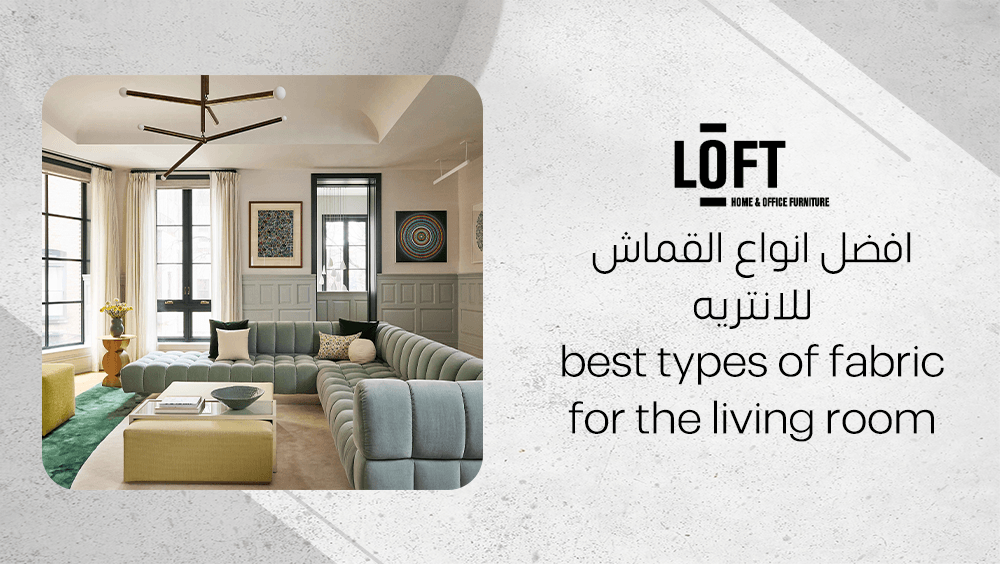
Imagine stepping into a living room where every texture feels just right—the smooth sofa, soft curtains, and a cozy pillow that invites you to relax. Choosing the best types of fabric for the living room enhances both comfort and functionality, creating a space that feels welcoming and practical. The right fabrics support your lifestyle, whether your home is lively and family-focused or calm and minimalist, shaping how you enjoy your living room every day.
What are the best types of fabric for the living room?
Choosing the best types of fabric for the living room depends on how much use the space gets and your lifestyle needs. The most practical choices combine durability, comfort, and easy maintenance — especially in homes with kids or pets. Among the top options are polyester, nylon, cotton, linen, chenille, and wool, each offering unique strengths.
What makes a fabric durable?
A durable fabric can handle frequent use, resist wear, and keep its texture and color over time. In a busy living room, fabrics with strong fibers and tight weaves perform best.
- Polyester is known for its exceptional strength and resistance to fading and stretching.
- Nylon offers high resilience and recovers well from daily wear, making it ideal for sofas in heavy-use areas.
- Wool naturally resists pilling and maintains its shape for years, though it may need more care than synthetics.
- Chenille feels soft but has dense fibers that stand up well to regular sitting and movement.
Durability ensures your furniture stays fresh and intact even with daily lounging, movie nights, or kids jumping around.
Which fabrics are easy to clean?
Ease of cleaning is a key factor when choosing the best types of fabric for the living room, especially in spaces where spills and stains are common. Fabrics that repel liquids or release dirt quickly tend to be more practical and suitable for everyday use.
- Polyester and nylon are top choices for families since they’re stain-resistant and quick to spot-clean.
- Cotton is breathable and washable, though untreated blends might absorb liquids faster than synthetics.
- Linen looks elegant but wrinkles easily and may need careful washing, so it’s better for low-traffic areas.
- Chenille cleans well with gentle vacuuming and spot care, though it’s best to avoid too much water.
Selecting an easy-care fabric saves time and keeps your living room looking tidy with minimal effort.
Which fabrics feel comfortable?
Comfort is a major factor when choosing the best types of fabric for the living room, as it depends on texture, breathability, and how the fabric reacts to temperature. Soft, airy materials help create a welcoming space that feels comfortable and relaxing all year round.
- Chenille stands out for its plush, velvety feel, adding warmth and luxury.
- Cotton and linen are both breathable and cool to the touch, perfect for cozy yet fresh seating.
- Wool offers natural insulation and a soft texture that feels comfortable year-round.
- Polyester blends can balance softness and strength, offering comfort without being overly delicate.
When choosing, think about how you use your living room—whether you prefer durability for lively family gatherings or softness for quiet evenings—and pick fabrics that fit both your lifestyle and desired atmosphere.
How do fabrics shape living room aesthetics?
Fabrics have a quiet yet powerful way of defining the atmosphere of a living room. They influence how welcoming the space feels, how light behaves across the furniture, and even how styles blend together. The best types of fabric for the living room balance comfort with design, creating a space that reflects both aesthetics and lifestyle.
How does fabric type affect design style?
Each fabric tells a visual story that complements a specific design direction. For example, velvet and chenille naturally evoke luxury and sophistication, fitting perfectly within traditional or elegant interiors. Their soft sheen and rich texture make them ideal for statement sofas or accent chairs. In contrast, cotton and linen bring a relaxed, breathable feel, aligning beautifully with modern, minimalist, or coastal designs where lightness and simplicity matter most.
For an eclectic style, blending materials works wonderfully. You might pair a sleek leather armchair with linen cushions, or mix wool throws with silk pillows. Such combinations allow the fabric choice to express personal taste while keeping the room balanced and harmonious.
How do color and texture influence the space?
Fabric color and texture play a key role when selecting the best types of fabric for the living room, as they shape the space at first glance. Light colors and fine weaves help small rooms feel brighter and more open, while darker tones and heavier textures like boucle or tweed add warmth and depth to larger spaces. Mixing patterns and textures—from subtle stripes to bold weaves—creates visual interest and gives the living room a look that reflects your personality.
How to choose the right living room fabric?
Selecting the best types of fabric for the living room depends on how you live, how often the furniture is used, and what kind of look you want to achieve. The right choice creates a balance between comfort, durability, and personal style, ensuring that the space feels both inviting and practical.
What are the key selection criteria?
- Durability: Choose fabrics that can handle daily use, especially for high-traffic areas like sofas and armchairs. Blends of natural and synthetic fibers usually offer extra strength without compromising softness.
- Cleanability: Opt for materials that are easy to maintain, particularly if the furniture is used frequently. Removable covers and stain-resistant finishes simplify cleaning.
- Pet and kid friendliness: Durable weaves and darker colors are smart choices for homes with children or pets since they can better disguise wear and minor stains.
- Comfort: Fabrics should feel pleasant to the touch, with a texture that suits the comfort level you expect in the living room.
- Colorfastness: Ensure that the fabric resists fading if the room receives a lot of sunlight.
- Usage frequency: Light-use furniture can feature more delicate materials, while everyday pieces should use sturdy, easy-care options.
What are the best living room sofas from Loft Furniture?
Loft Furniture is known for its contemporary designs that merge comfort, practicality, and timeless style. Each piece is crafted to transform living spaces into modern, welcoming environments. Two of its standout living room sofas — the Riverland Sofa Set and the Grinza Sofa 3-Seater — beautifully represent this philosophy, combining thoughtful craftsmanship with versatile aesthetics that complement different interior themes.
Riverland Sofa Set
The Riverland Sofa Set features soft, khaki-colored upholstery with a matte finish, creating a calm, earthy appeal that blends easily into neutral or nature-inspired living rooms. The low-profile design and wide base offer both visual balance and everyday comfort, while the plush back cushions provide gentle, supportive seating for long lounging hours. Its subtly curved armrests and open layout make the set ideal for airy, shared family zones or spacious modern living areas. The breathable fabric enhances comfort, keeping the feel relaxed and inviting throughout the day.
Grinza Sofa 3-Seater
The Grinza Sofa 3-Seater brings a refined charm through its velour fabric in a natural tone, adding warmth and texture to any living room. Distinct gathered stitching along its surface gives it an elegant depth, while the sturdy, low-profile geometric base offers both stability and comfort. This sofa’s soft, tactile fabric invites relaxation, making it perfect for everyday lounging without compromising on sophistication. Its neutral palette allows effortless coordination with various design styles, from minimalist to contemporary chic.
What are the advantages and disadvantages of popular living room fabrics?
Polyester
- Durability: Highly durable and resistant to stretching or shrinking, making it ideal for high-use living rooms.
- Cleanability: Easy to maintain; most stains can be wiped off without much effort.
- Stain Resistance: Naturally repels most liquids, reducing the risk of long-term stains.
- Breathability: Less breathable than natural fibers, which can make it feel warm in hot climates.
- Comfort: Smooth and soft, though it may lack the cozy texture of natural weaves.
- Color/Pattern Variety: Available in a wide range of colors and designs that hold up well against fading.
- Best suited for: Homes with children or pets where durability and ease of cleaning matter most.
Nylon
- Durability: One of the strongest synthetic fibers, resisting abrasions and wear effectively.
- Cleanability: Stains can be cleaned easily with regular household cleaners.
- Stain Resistance: Naturally resists dirt but may hold oil-based stains if untreated.
- Breathability: Moderate—provides comfort but not as airy as cotton or linen.
- Comfort: Soft and elastic, often used in blends for extra flexibility.
- Color/Pattern Variety: Accepts dyes well, leading to vibrant hues that do not fade easily.
- Best suited for: Busy living rooms with heavy foot traffic or active families.
Cotton
- Durability: Natural and strong but can wear faster with heavy daily use.
- Cleanability: Machine washable and easy to spot clean; however, prone to shrinking if not handled properly.
- Stain Resistance: Absorbs liquids quickly, which can cause permanent stains.
- Breathability: Excellent breathability keeps the room comfortable year-round.
- Comfort: Soft, cool, and pleasant to the touch.
- Color/Pattern Variety: Available in countless prints and textures, offering a classic look.
- Best suited for: Cozy family spaces prioritizing comfort over heavy wear or spill resistance.
Linen
- Durability: Strong natural fiber that gets softer over time but wrinkles easily.
- Cleanability: Requires careful washing; professional cleaning is often preferred.
- Stain Resistance: Absorbs moisture quickly, so spills should be cleaned immediately.
- Breathability: Extremely breathable—ideal for maintaining a fresh and airy living room.
- Comfort: Light and crisp with a distinctive natural texture.
- Color/Pattern Variety: Usually found in earthy tones and sophisticated weaves.
- Best suited for: Elegant, eco-friendly interiors where natural aesthetics are valued.
Chenille
- Durability: Moderate; plush texture may show wear in high-traffic areas.
- Cleanability: Needs gentle care and vacuuming to preserve its soft pile.
- Stain Resistance: Not naturally resistant; applying fabric protectors helps maintain appearance.
- Breathability: Fair, offering good comfort in controlled environments.
- Comfort: Extremely soft and cozy, adding a luxurious feel to the room.
- Color/Pattern Variety: Available in rich shades with beautiful sheen and depth.
- Best suited for: Formal living spaces seeking warmth and opulent texture.
Wool
- Durability: Naturally resilient, retaining shape and surface appearance over many years.
- Cleanability: Requires special care; professional dry cleaning is recommended.
- Stain Resistance: Naturally repels water and dirt, limiting surface-level stains.
- Breathability: Regulates temperature effectively, staying warm in winter and cool in summer.
- Comfort: Soft, insulating, and comfortable for all seasons.
- Color/Pattern Variety: Limited but elegant, offering a timeless appeal.
- Best suited for: Luxury settings where texture, longevity, and natural warmth are priorities.
best types of fabric for the living room FAQs
Which fabric curtains are best for a living room?
For living room curtains, choosing the best types of fabric for the living room depends on both style and practicality. Cotton is a popular option thanks to its versatility and ability to suit any décor. Linen adds a light, elegant feel that enhances brightness, while polyester stands out for durability and easy maintenance. For a more classic look, damask is an excellent choice, and nylon is ideal when extra strength and long-lasting performance are needed.
What is the best type of fabric to use for upholstery?
For upholstery in high-traffic living rooms, cotton, canvas, and linen stand out as reliable options. They combine comfort with resilience, making them ideal for everyday use while maintaining an inviting texture and look.
What is the most durable fabric for living room furniture?
Polyester ranks among the most durable fabrics for living room furniture. It resists wrinkles, crushing, and fading, keeping sofas and chairs fresh for years. Nylon is another great choice for its impressive strength and built-in stain resistance.
Conclusion
Choosing the best types of fabric for the living room brings together comfort, style, and practicality in perfect balance. The right materials not only enhance your décor but also stand up to daily life, offering durability and simple maintenance. With thoughtful fabric choices, any living room can feel more inviting, functional, and timeless.