

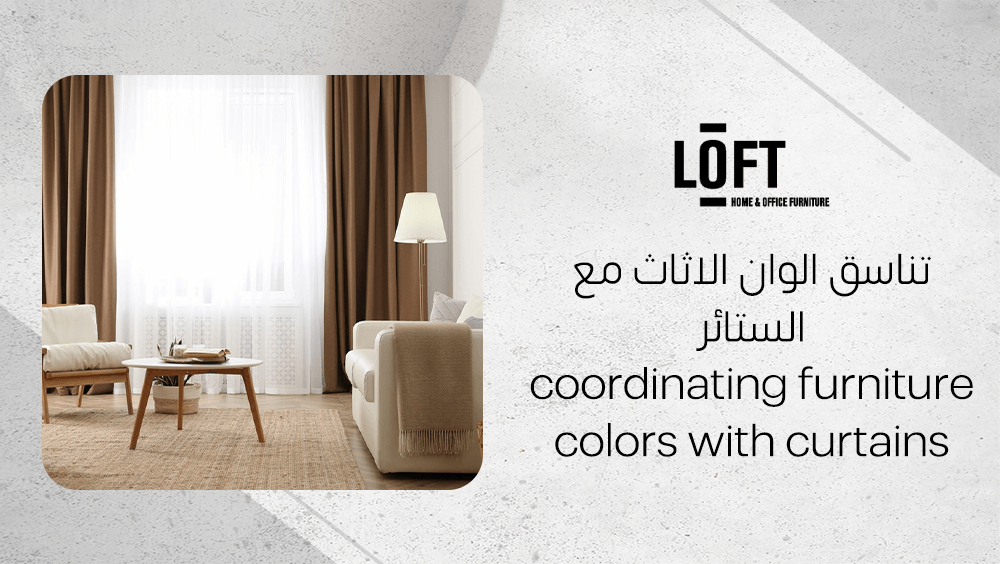
Have you ever walked into a room that just felt right—where every piece of furniture and every curtain seemed to effortlessly complement one another? That’s the magic of coordinating furniture colors with curtains. This harmony doesn’t just make a space look beautiful; it shapes the mood, flow, and comfort of your home. The right color balance can turn a dull room into a visually captivating haven that reflects your personality and style.
What is the best way to coordinate furniture colors with curtains?
Coordinating furniture colors with curtains is all about creating a sense of visual harmony in a space. When colors complement one another, the room feels balanced, intentional, and inviting. However, when shades clash or compete for attention, it can make even the most stylish décor feel overwhelming. To avoid that, it helps to plan a color palette that connects furniture, curtains, and accessories in a cohesive way. Testing fabric samples or using a mood board under different lighting conditions is a simple yet powerful technique to see how colors behave together before making final choices.
Why is color coordination important?
Color coordination prevents visual chaos. When furniture and curtains don’t align tonally, the room can feel disjointed or tense. Harmonious color pairing, on the other hand, guides the eye naturally and creates a flow that’s both restful and aesthetically pleasing. It’s less about matching everything perfectly and more about balancing tones and contrasts.
How do color schemes help?
Color schemes act as practical frameworks for combining hues that work well together. The three most common types are:
- Monochromatic: Built around a single base color, using different shades, tints, and textures to create depth without overwhelming the eye.
- Analogous: Involves colors that sit next to each other on the color wheel, such as blues and greens, offering a soft, cohesive blend.
- Complementary: Uses colors from opposite sides of the color wheel for sharp, eye-catching contrast — ideal when you want furniture and curtains to stand out playfully yet intentionally.
These schemes serve as reliable guides to maintain consistency and visual rhythm in your décor.
What is the 60-30-10 rule?
The 60-30-10 rule offers a simple formula to distribute color proportions effectively and is especially useful when coordinating furniture colors with curtains. Around 60% of the room should feature the dominant color—often applied to walls or large furniture pieces. 30% is reserved for the secondary color, commonly expressed through curtains, rugs, or mid-sized elements that visually connect with the furniture. The final 10% belongs to accent colors used in smaller décor items, cushions, or curtain trims. Following this rule makes coordinating furniture colors with curtains feel natural, intentional, and effortlessly stylish.
What are the main color schemes for curtains and furniture?
If you love a calm, cohesive atmosphere, a monochromatic color scheme is your best ally. This approach revolves around one hue, but plays with its shades, tones, and textures across your furniture and curtains. Imagine a beige sofa paired with curtains in a slightly lighter sand tone—soft on the eyes yet rich in character.
This technique works beautifully in bedrooms or reading corners where serenity matters most, especially when coordinating furniture colors with curtains. To keep the space from feeling flat, vary your materials within the same color family—imagine a matte linen sofa paired with softly draped, silky curtains in a matching tone. This subtle contrast in texture adds visual interest while preserving a calm, cohesive, and soothing aesthetic throughout the room.
When to choose analogous schemes?
An analogous color scheme is ideal when you want harmony with just a touch of visual intrigue. It combines two or three neighboring colors on the color wheel, such as blue-green with green or mustard with ochre. The result? A space that feels cohesive but never monotonous.
This scheme thrives in living rooms and shared areas, where balance and warmth are key. Picture a teal sofa complemented by sage curtains—the colors flow into each other naturally, making the room both inviting and stylish. To enhance depth, mix fabric textures like a soft velvet couch with airy cotton drapes in a matching tone range.
When are complementary schemes best?
If you’re after contrast and energy, complementary color schemes deliver instant impact. These pair hues from opposite sides of the color wheel—like a deep blue sofa set against warm orange curtains—for a dynamic, modern effect.
However, bold opposites can easily dominate the space, so it’s smart to soften them with neutral elements such as cream cushions, beige rugs, or metallic accents. This balance keeps the combination striking yet sophisticated.
Visual tip: Use textures strategically—pair matte furniture fabrics with shiny or textured curtain materials. The play of color and finish adds dimension and keeps the eye moving naturally through the space.
How to apply the 60-30-10 rule in living spaces?
Start by choosing a dominant color that will define the overall atmosphere of your living space. This color should cover roughly 60% of the room—think walls, large sectional sofas, or main area rugs. Most people opt for a versatile neutral, such as light grey, beige, or off-white, as it pairs easily with other tones and creates a balanced backdrop for decorating.
Tip: When coordinating furniture colors with curtains, let the dominant shade provide a calm foundation. This makes it easier to experiment with the supporting and accent colors without visual clutter.
What fits as the secondary color?
Your secondary color should take up about 30% of the visual space. It’s what brings depth and dimension to the room without overpowering the main shade. Curtains and rugs work perfectly in this role, as they frame and connect larger elements while introducing subtle variation.
How to use accent colors?
Accent colors make up the final 10% of your space and are where personality truly emerges, especially when coordinating furniture colors with curtains. These shades are bold and eye-catching, adding the finishing touch of vibrancy to the room. They often appear in smaller accessories—such as cushions, throws, decorative ceramics, or even the piping and trims on curtains—helping tie furniture and textiles together in a way that feels intentional, balanced, and visually expressive.
Consider lively hues such as mustard yellow, terracotta, or deep teal to bring energy into the room. Accents provide the spark that ties all the elements together, proving how the 60-30-10 rule can seamlessly connect different furniture styles, finishes, and curtain colors into one cohesive design.
What are the best products for coordinating furniture and curtains?
Choosing furniture that harmonizes beautifully with your curtains can completely transform a room’s atmosphere. Loft Furniture’s curated designs make this process effortless, offering pieces that effortlessly link modern aesthetics with practical elegance.
Cadis Bed
The Cadis Bed from Beds section is a perfect example of refined simplicity meeting functionality. Upholstered in light grey PU leather, it features a high, cushioned headboard with padded vertical panels and rounded edges, creating a sleek, contemporary silhouette. Measuring 180 x 200 cm, it fits seamlessly into modern bedrooms that value both comfort and style.
This minimalist bed color visually expands the sense of space, making it ideal for compact settings. When coordinating furniture colors with curtains, the Cadis Bed stands out because of its versatile grey tone. It blends beautifully with neutral linens or pastel shades of curtains, creating a calm and balanced look. Plus, its easy-to-clean surface ensures low maintenance—perfect for urban lifestyles where practicality meets design.
Delos Side Table Set of 2
For those seeking an elegant accent that unites color schemes effortlessly, the Delos Side Table Set of 2 offers understated sophistication. This pair features two circular tables at different heights, each boasting clear tempered glass tops and gold conical metal bases. The smart layering effect adds depth and dimension without overwhelming the room.
Their neutral tone palette makes them incredibly flexible for coordinating with various curtain colors and furniture finishes. They look particularly stunning alongside white, cream, or light metallic drapes, bringing a soft glow and subtle contrast to the décor. Whether used beside a bed or sofa, the Delos tables elevate any interior through balance, elegance, and a timeless minimalist charm.
What practical tips help coordinate furniture with curtains?
Coordinating furniture colors with curtains is all about balance, testing, and understanding how hues interact in real spaces. Here are some practical ways to make sure your choices harmonize beautifully.
- Always compare color and fabric samples of both furniture and curtains together before buying.
- Link colors across rooms by repeating curtain shades in cushions, rugs, or artwork for a smooth visual flow.
- Balance warm tones like red, orange, and yellow with cool ones such as blue, green, and purple to avoid color clashes.
- Combine matte and glossy finishes—like pairing a soft linen sofa with silky drapes—to give the space more depth and texture.
How to use a mood board?
A mood board—digital or physical—lets you visualize color relationships before committing. Gather fabric swatches, paint chips, and reference images of your furniture and curtains side by side. This helps you see if tones complement or compete with each other in real life.
Tip: Take photos of your mood board under natural and artificial light to compare how colors shift throughout the day before making your final selection.
Why do neutrals matter?
Neutral colors serve as the backbone of coordinated interiors.
- White, beige, and grey form adaptable bases that tone down bold curtain or furniture hues.
- They make seasonal accessory swaps easier—throw pillows, rugs, or art can refresh the look without overhauling main pieces.
- Using neutrals helps link open spaces visually, ensuring smoother transitions between areas even when accent colors vary.
How does lighting affect color?
Lighting completely changes how furniture and curtain colors appear. Natural sunlight tends to make hues look brighter and more vibrant, while artificial lighting can warm or cool tones dramatically. Always test your samples in the actual space, both during the day and at night, to guarantee your chosen palette stays true under every light condition.
FAQ about coordinating furniture colors with curtains
Should curtains match wall color or furniture?
Match curtains with the wall color if you want a seamless, minimalist look. It’s ideal when you love your wall paint or want a calm background that feels cohesive and easy on the eyes.
Should curtains be lighter or darker than a sofa?
Both options work depending on the atmosphere you want. Bright sofas shine next to sheerer, lighter curtains, while neutral sofas can handle deeper curtain tones that balance light and mood.
How to match curtains with a sofa?
Create visual depth with a contrast between the two. A bold, colorful sofa pairs beautifully with neutral curtains, while subtle furniture looks more striking beside curtains that carry richer or bolder hues.
Conclusion
Coordinating furniture colors with curtains isn’t just about matching shades—it’s about creating balance and personality in every room. By applying thoughtful color schemes and simple, practical tips, you can transform any space into a cohesive, stylish haven that feels both inviting and timeless.